After the morning meeting, I tried to return to a proposal.
As soon as I start, a question from the meeting comes back to mind.
I send the meeting materials, leave the promised follow-up in a message, and open the proposal again.
By the time I begin editing, the meeting has been over for 25 minutes.

The calendar showed an open hour, but the meeting's end time was not the next task's true start time.
Sixty Minutes on the Calendar Is Not Always Sixty Usable Minutes
Compare two ways to arrange proposal revisions and meetings.
- Schedule A · 09:00–09:30 Revise the proposal
- 09:30–10:00 Meeting
- 10:00–10:30 Revise the proposal
- 10:30–11:00 Meeting
- Schedule B · 09:00–10:00 Two meetings
- 10:00–10:15 Send follow-up requests and organize materials
- 10:15–11:00 Revise the proposal
Schedule A contains 60 minutes of revision time. Schedule B contains only 45.
By the numbers alone, A offers 15 minutes more.
In A, however, you must reread the proposal and recover your place after each meeting.
In B, once the meeting follow-up is complete, you can stay with the same task for 45 minutes.
A short checking task may fit comfortably into a 30-minute gap. The point is to consider not only the number of minutes available but also whether those minutes are interrupted.

The Meeting Ends Before Your Attention Does
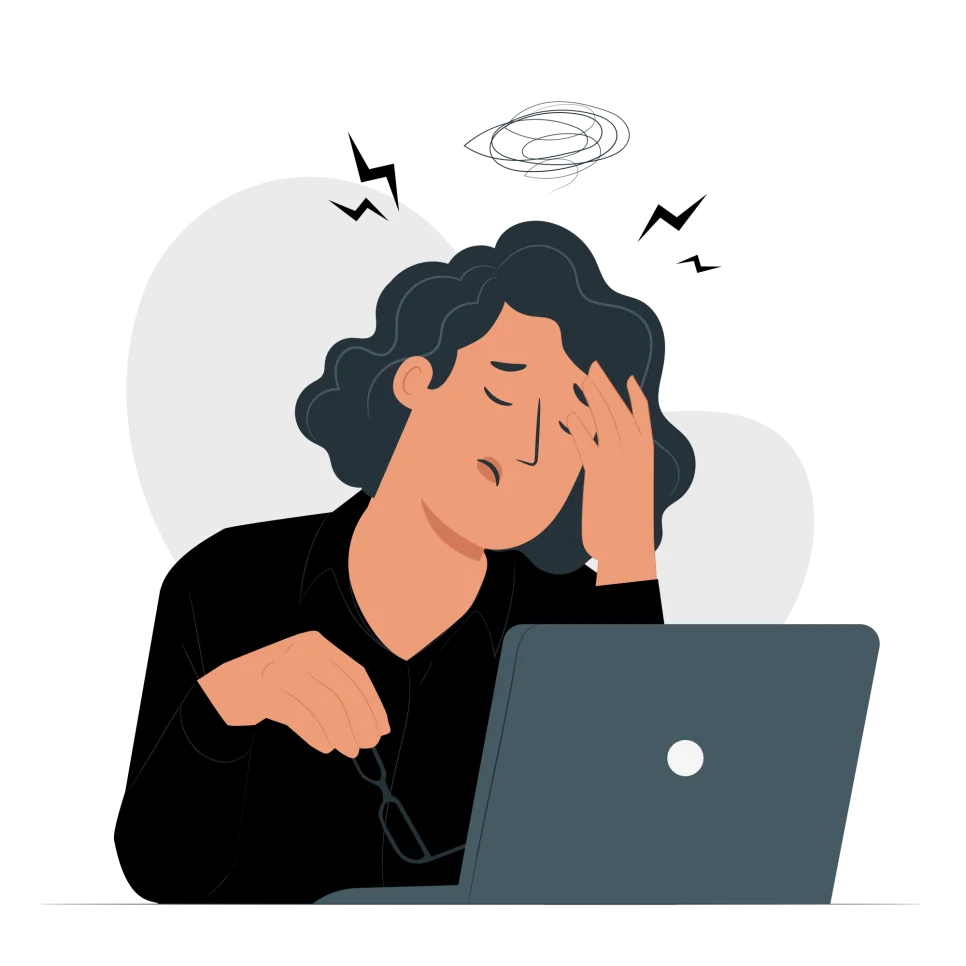
When part of your attention remains on the previous task after you switch, it is called attention residue.
Sophie Leroy's research found that difficulty disengaging from a previous task can reduce performance on the next one.
This helps explain why unresolved agenda items or promised answers keep returning to mind. It does not explain every lapse in concentration; fatigue and surrounding noise can matter too.
Include the follow-up a meeting creates in the schedule. If materials still need to be sent or answers confirmed, placing another task at the meeting's end time only pushes that follow-up into the new task.
When You Cannot Move the Meeting
Few people control every part of their calendar. Calls or questions on site may require an immediate response.
Start by changing what you place between meetings. Use short gaps for work that is easy to resume, such as checking approvals or sending messages. Give proposals and contract reviews a continuous block whenever possible.
After a meeting, replace a vague note such as ‘Further confirmation required’ with a specific next action.
“Ask Assistant Manager Kim for the revised materials; check for a reply at 2 p.m.”
Recording who you asked, what you need, and when to check again reduces the urge to reopen your messages during the next task.
Compare the Planned and Actual Start Times
When the planned and actual start times differ, record the gap.
If you planned to revise the proposal at 10:00 but actually started at 10:25, write down what you did in between.
A few days of notes can reveal how much follow-up time meetings usually need. Use that pattern when planning the next day so focused work begins at a time you can actually start.
ILJI TIME STORIES · 13