Can I Finish One Thing Before Starting the Next?
I started three tasks at once, and the first finished an hour later than planned. At 9 a.m., three deliverables were already waiting to be sent.
Stories about people, time, schedules, and the records they leave behind
I started three tasks at once, and the first finished an hour later than planned. At 9 a.m., three deliverables were already waiting to be sent.

After the morning meeting, I tried to revise the proposal. But as I start working, a question I was just asked at the meeting comes to mind.

A task planned for one hour took three. Writing the report took an hour, but preparation, review, and follow-up work pushed the rest of the day behind.
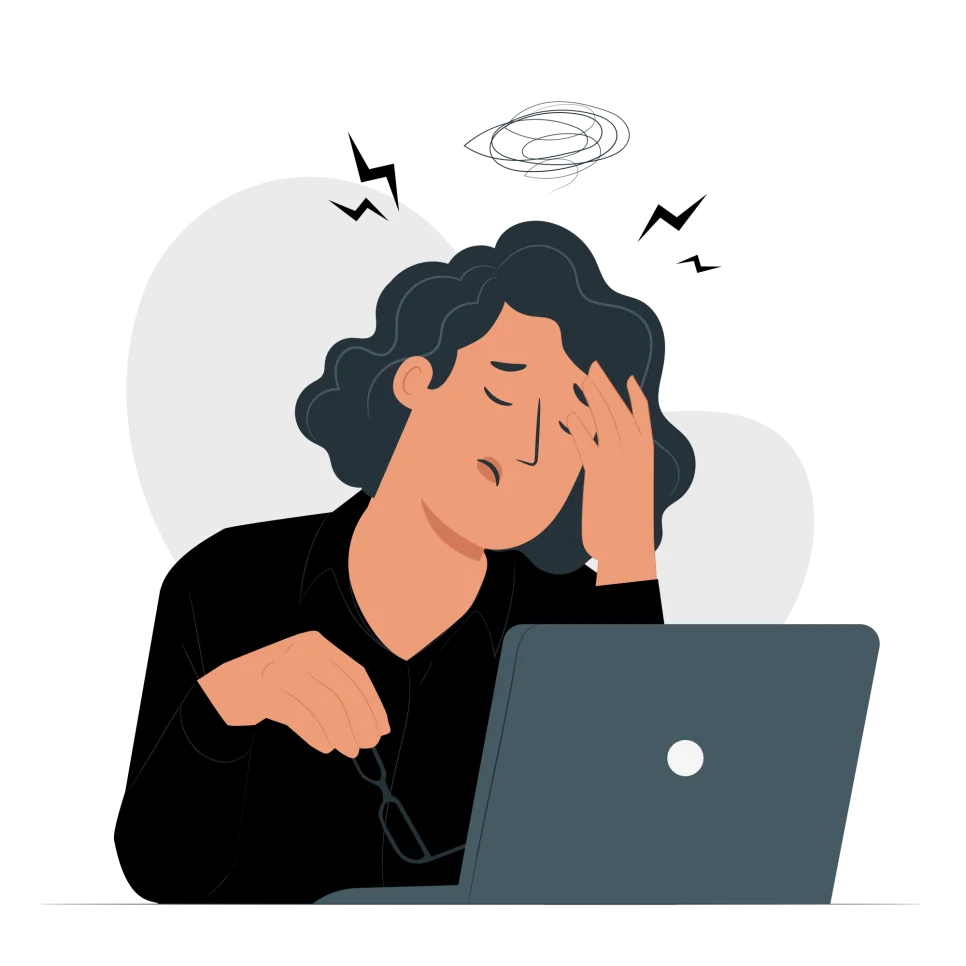
“Could you do this one first?” A request like this can make priorities unclear when you are already working toward tomorrow's deadline.

The lights of home were already in sight when a bag sealed for nine days was opened. The episode comes from Homer’s ancient epic, The Odyssey.
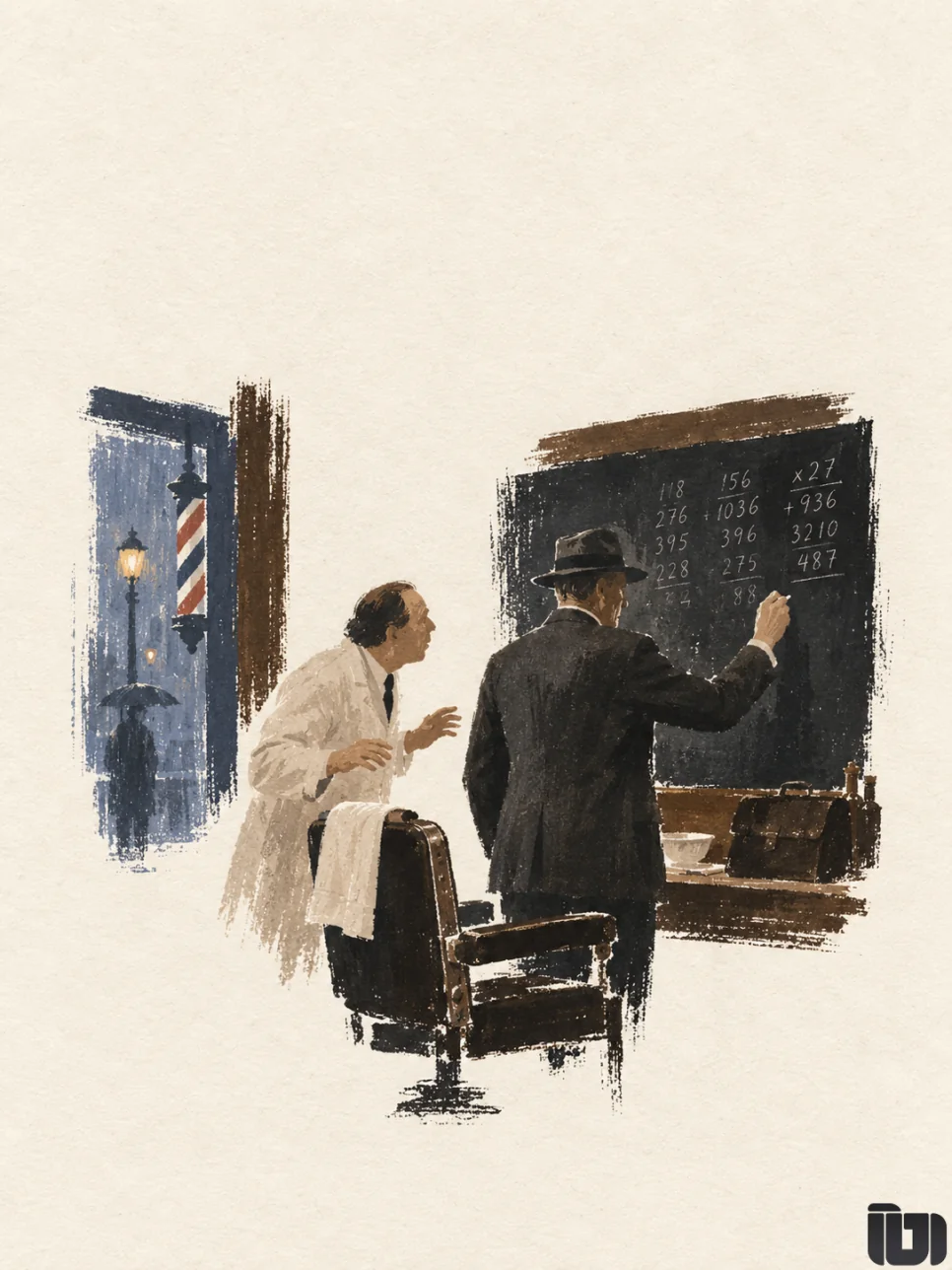
People believed that if they saved time, they would one day get more time back. A strange bank appears in Michael Ende's novel 『Momo』, published in 1973.

Every Monday night, Elon Musk boarded a plane—not for a vacation, but to be at work on Tuesday. In January 2013, he described this weekly rhythm at the Computer History Museum.
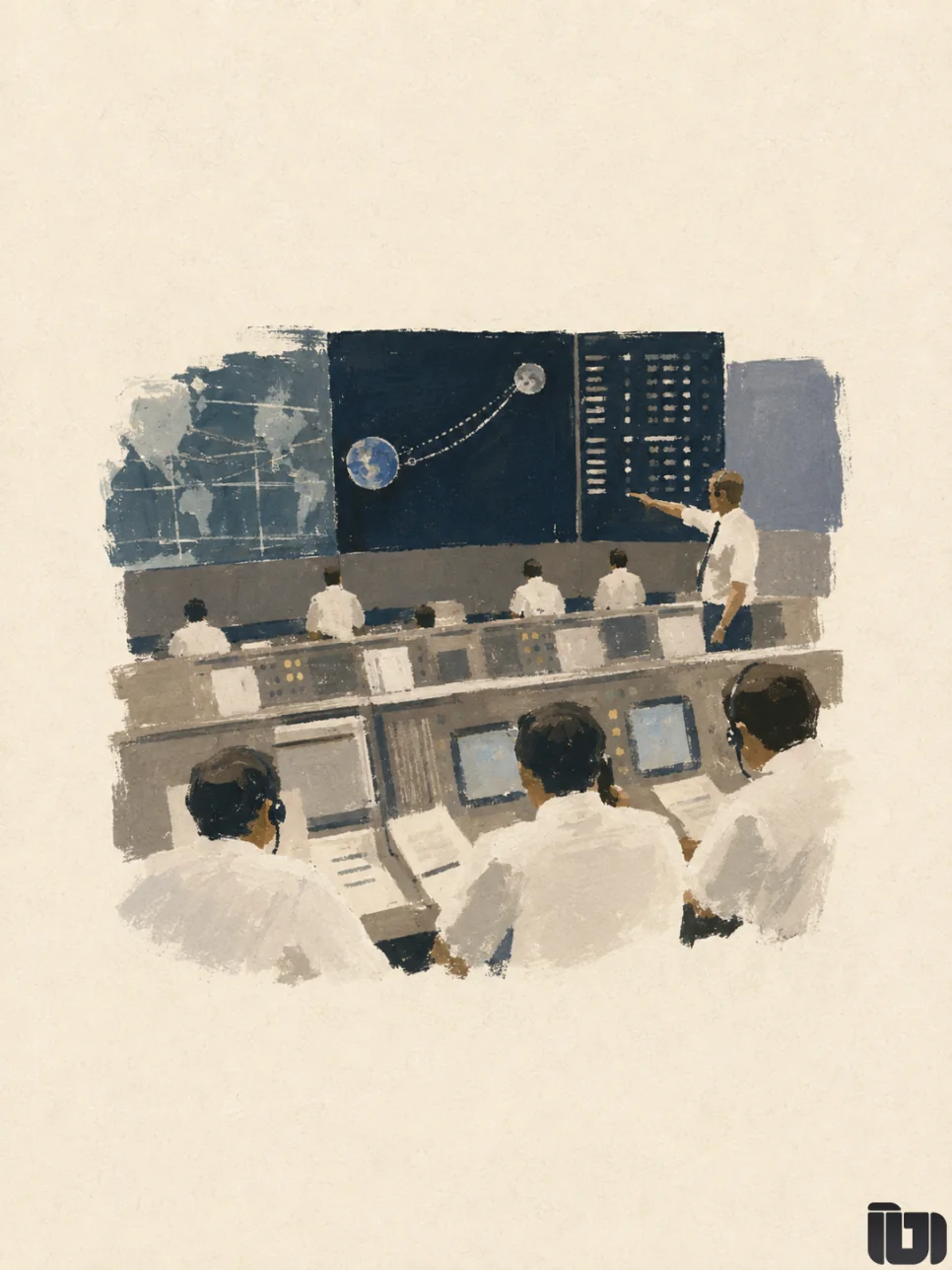
After landing on the Moon, the Apollo 11 astronauts first planned to rest—not step outside. Then the timeline changed. The lunar module Eagle landed on July 20, 1969.
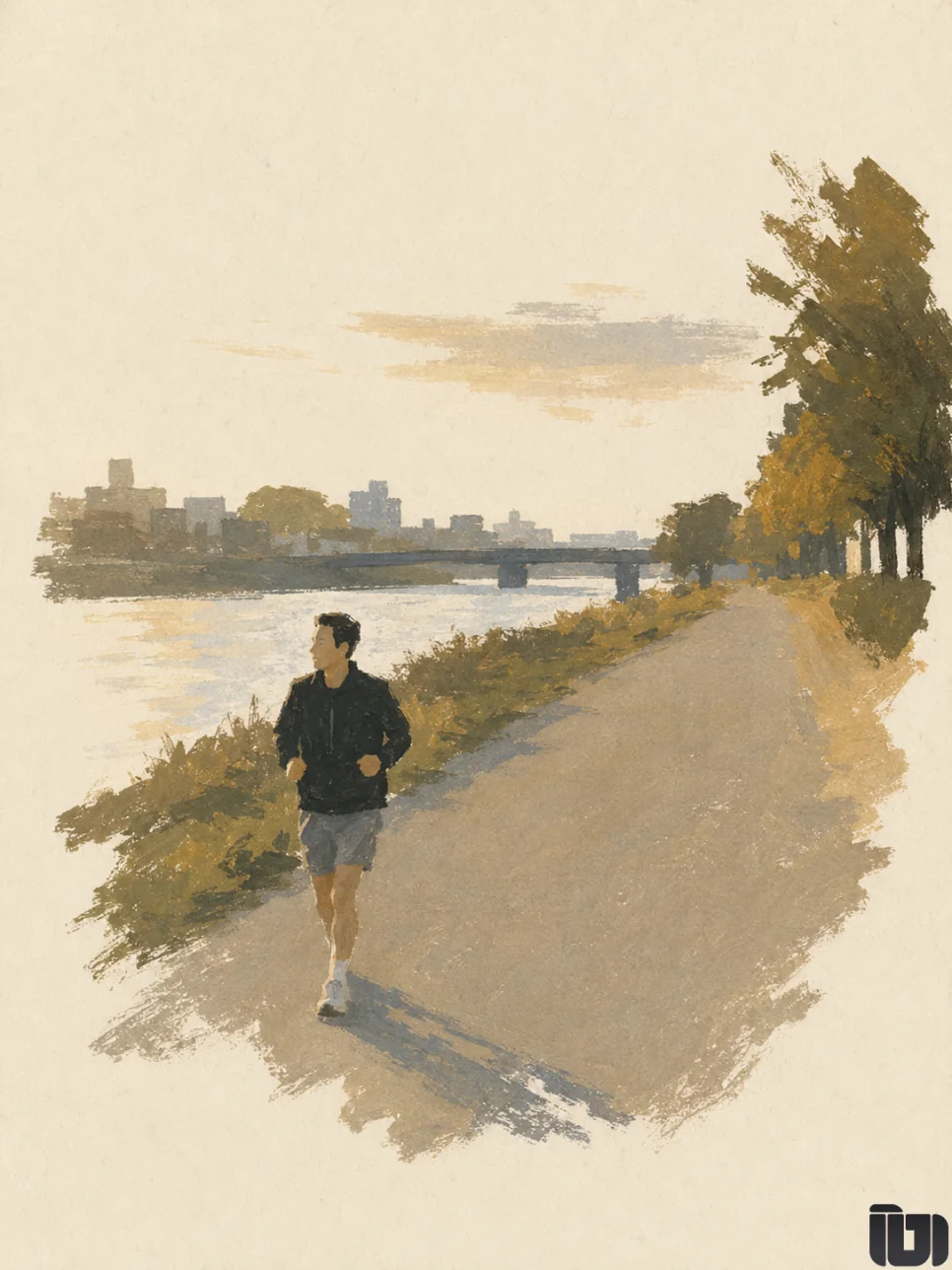
His novels are difficult to predict, but the days he spent writing them followed a surprisingly consistent routine. Repetition gave Haruki Murakami room to keep creating.
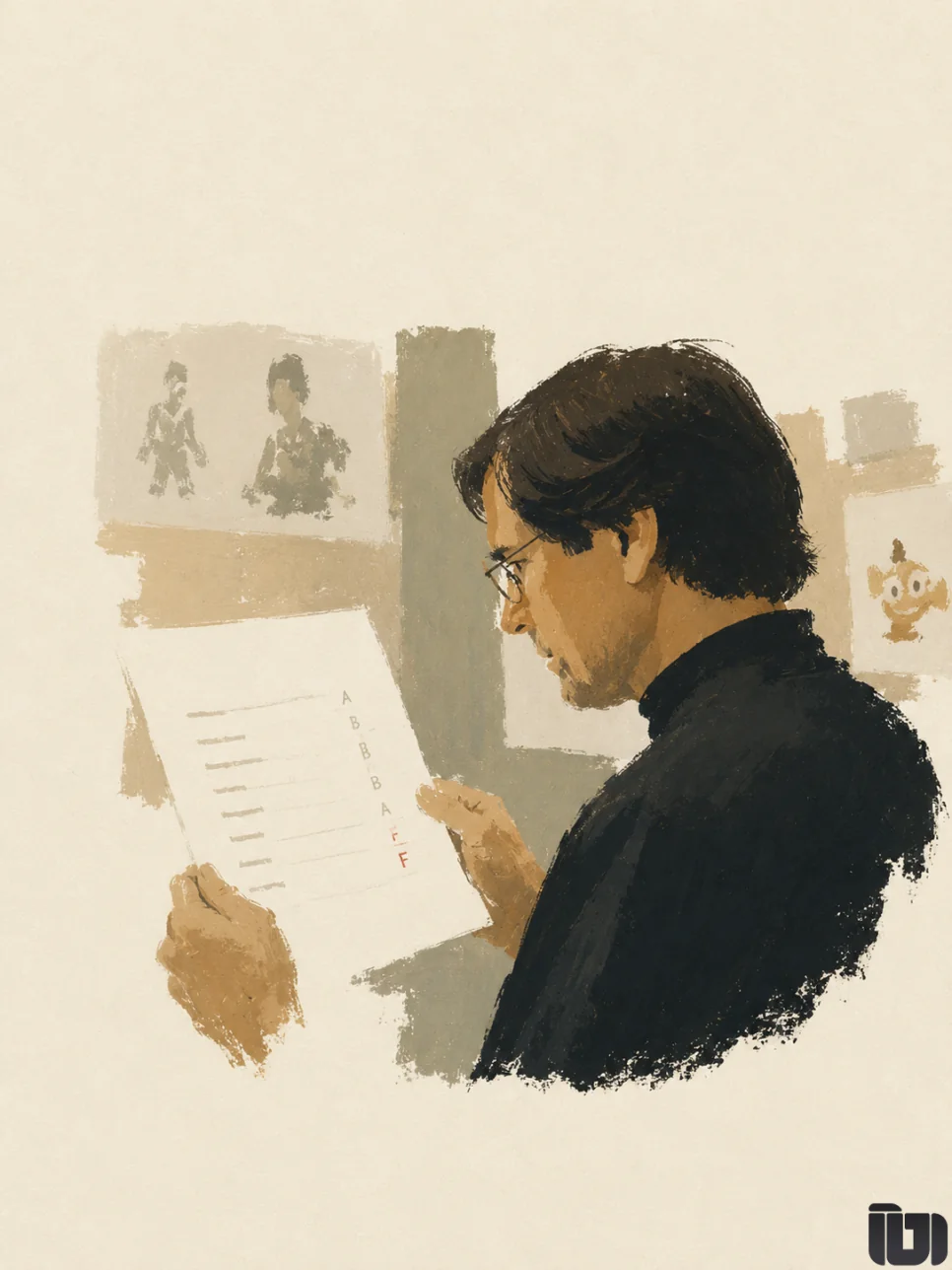
Steve Jobs looked back on Pixar's year and graded it. The report card had A's as well as F's. On December 21, 1997, an email arrived at Pixar's executives.

How do people in Flanders travel over ice? Ask Benedetto Portinari. This question appears in Leonardo da Vinci’s notebooks alongside many other things he wanted to learn.

What good will I do today? Benjamin Franklin started every morning with this question.
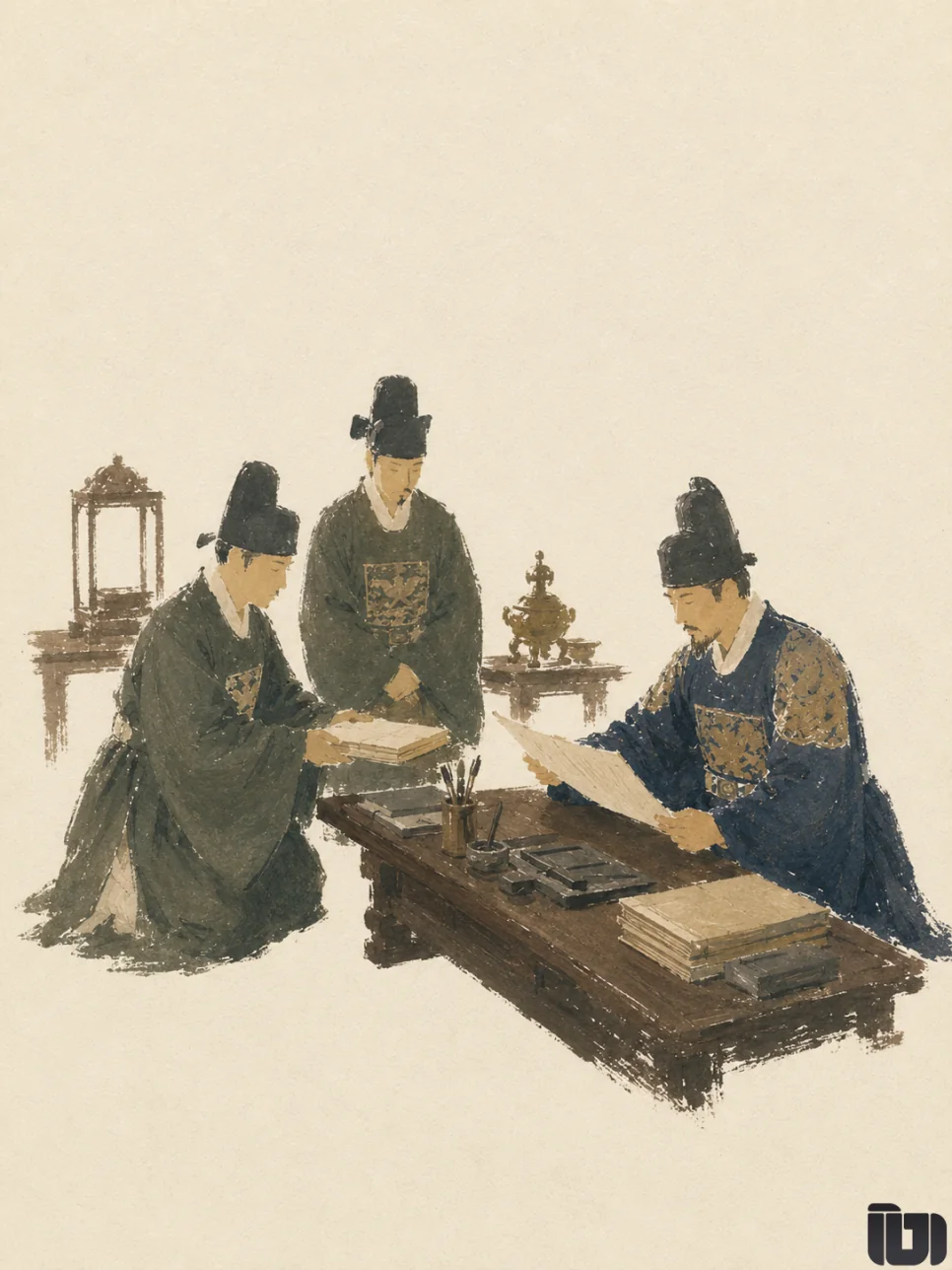
Every five days, King Jeongjo received a record of recent events. In 1783, he regularly reviewed records prepared by officials of the royal library, Kyujanggak.
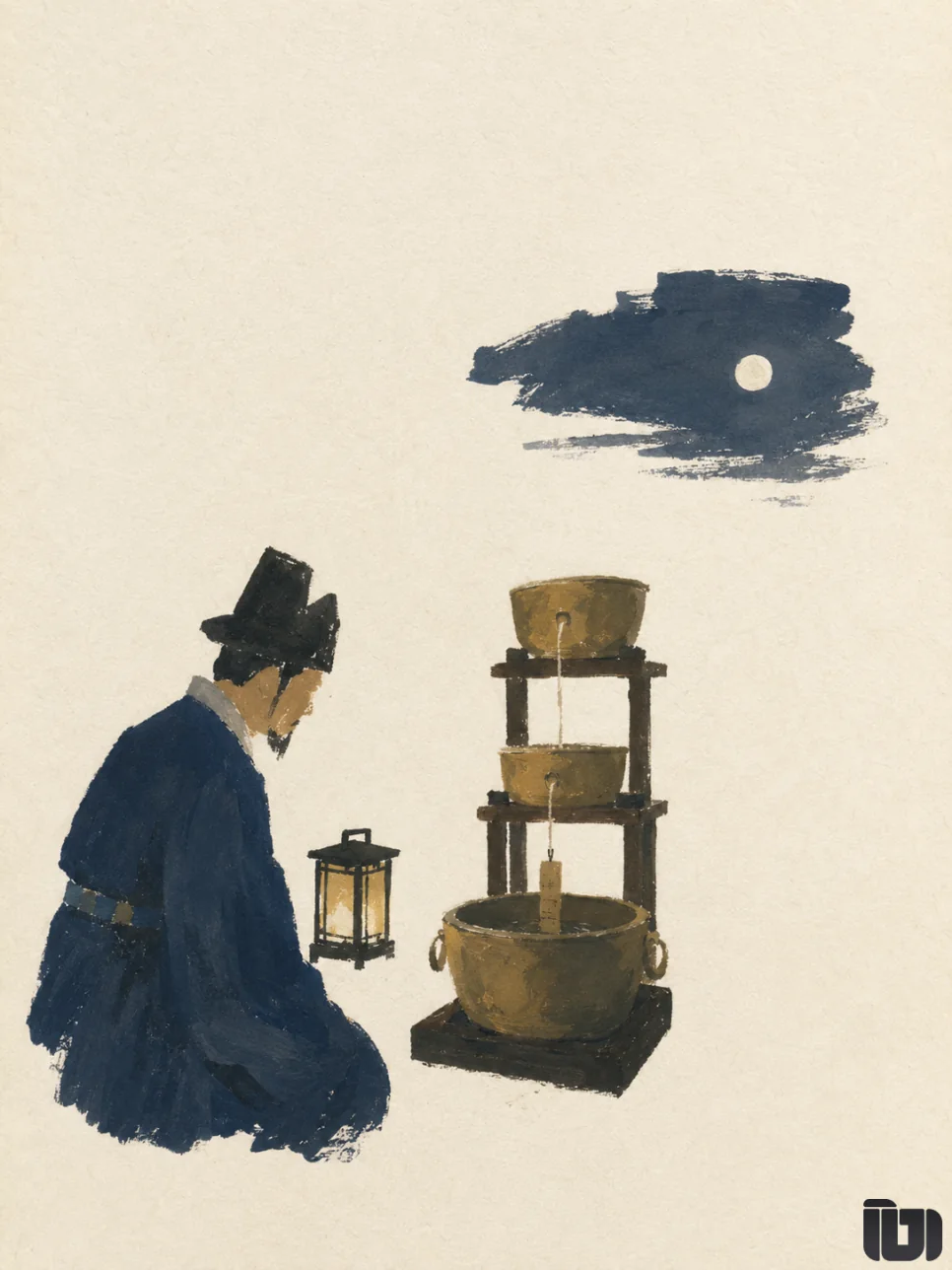
In 1434, Jagyeongnu began striking the hour on its own. This is how a machine took over work that once required someone to watch a water clock day and night.
Ways to connect schedules and work records in one continuous flow
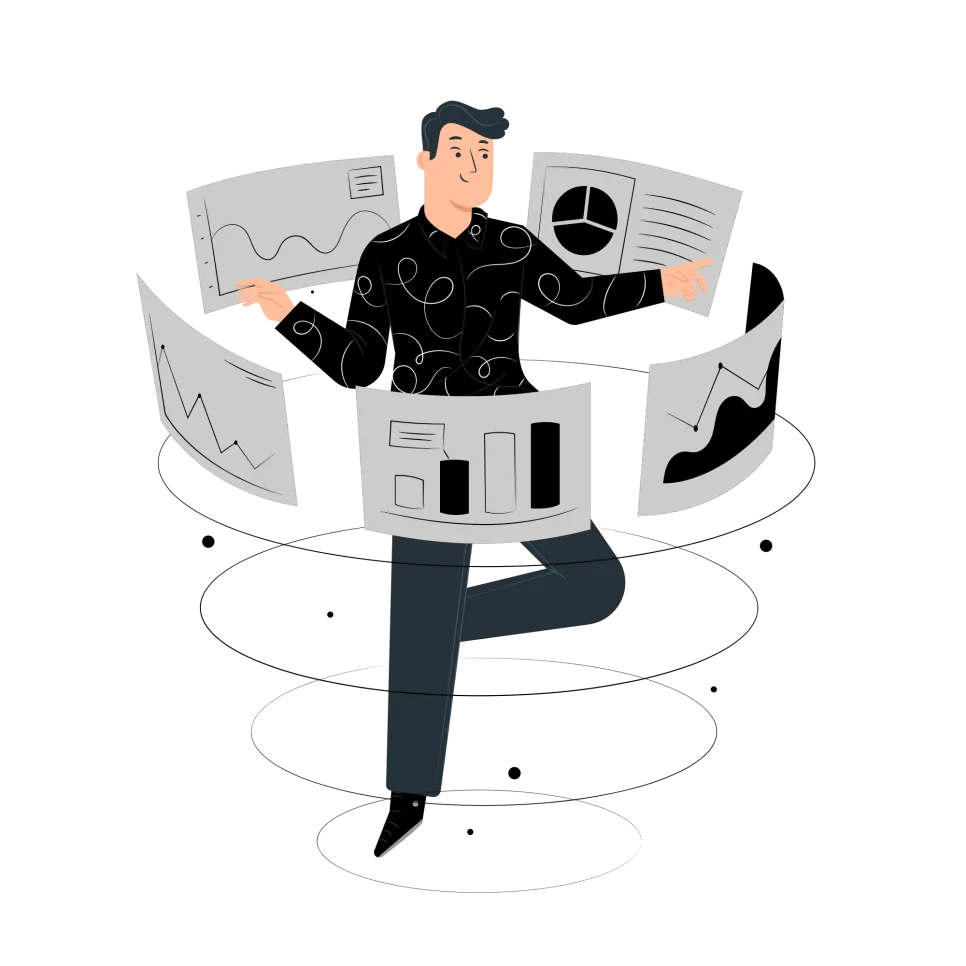
You can also expect AI to create, change, and organize your schedule on its own. However, if important schedules change without user confirmation, anxiety becomes greater than convenience.

When the workload is small, a personal calendar may be enough. You remember the schedule and add any necessary details to a note.
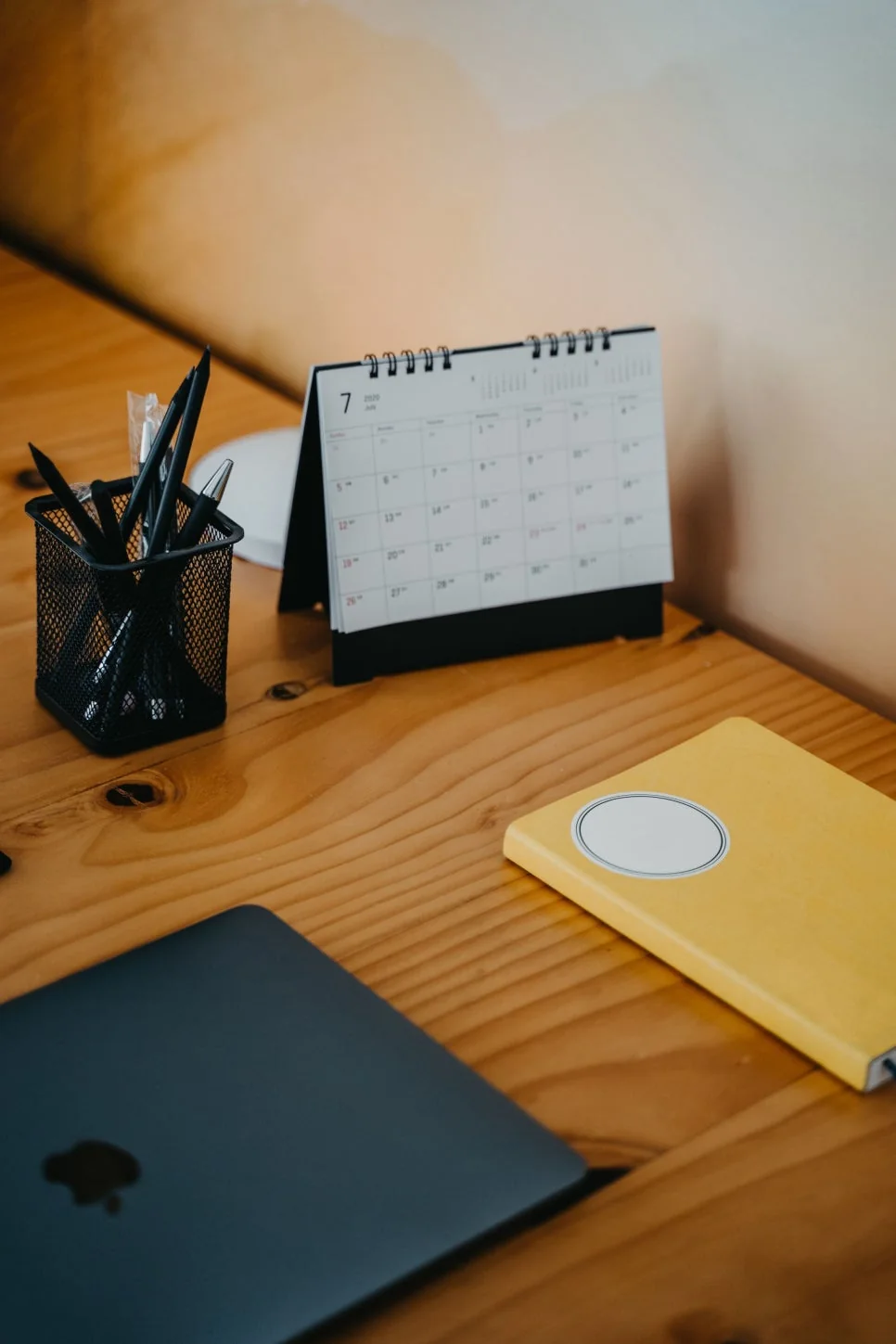
A past schedule may appear as a dot or a single-line title, but the work leaves more behind: time spent, details checked, before-and-after changes, and what was delivered to the customer.
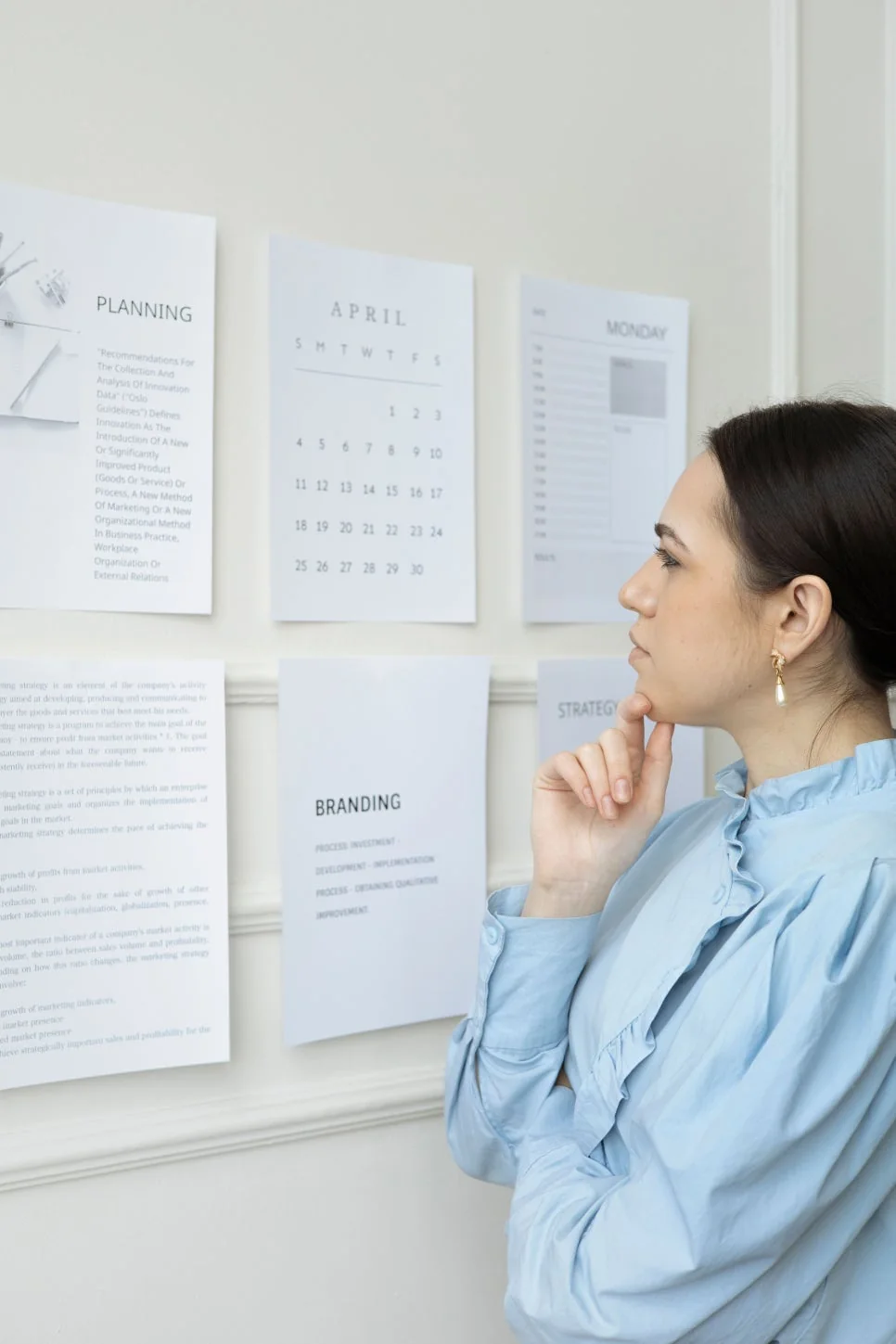
Every item may be called an event, but each kind of work needs different details. A useful calendar records more than time alone.

The date is in your calendar, the details are in a note, the conversation is in a messenger, and the result is stored somewhere else.
Approachable guides for using ILJI in everyday life and work

As work contacts accumulate in your personal address book, clients and partners begin to mix with family and friends. Here is how to keep each person’s schedule history connected and separate.
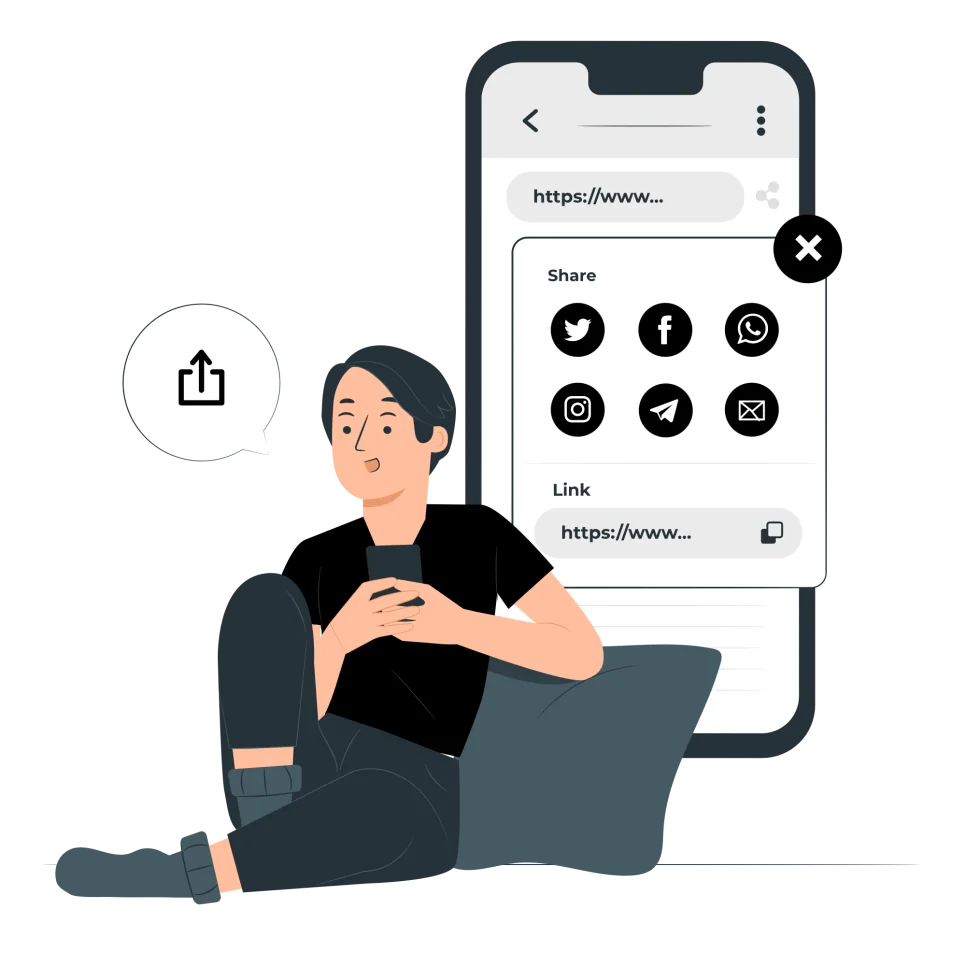
Sometimes marking work complete is enough. When someone else needs the details and result, turn the schedule record into a document and share it as a PDF.
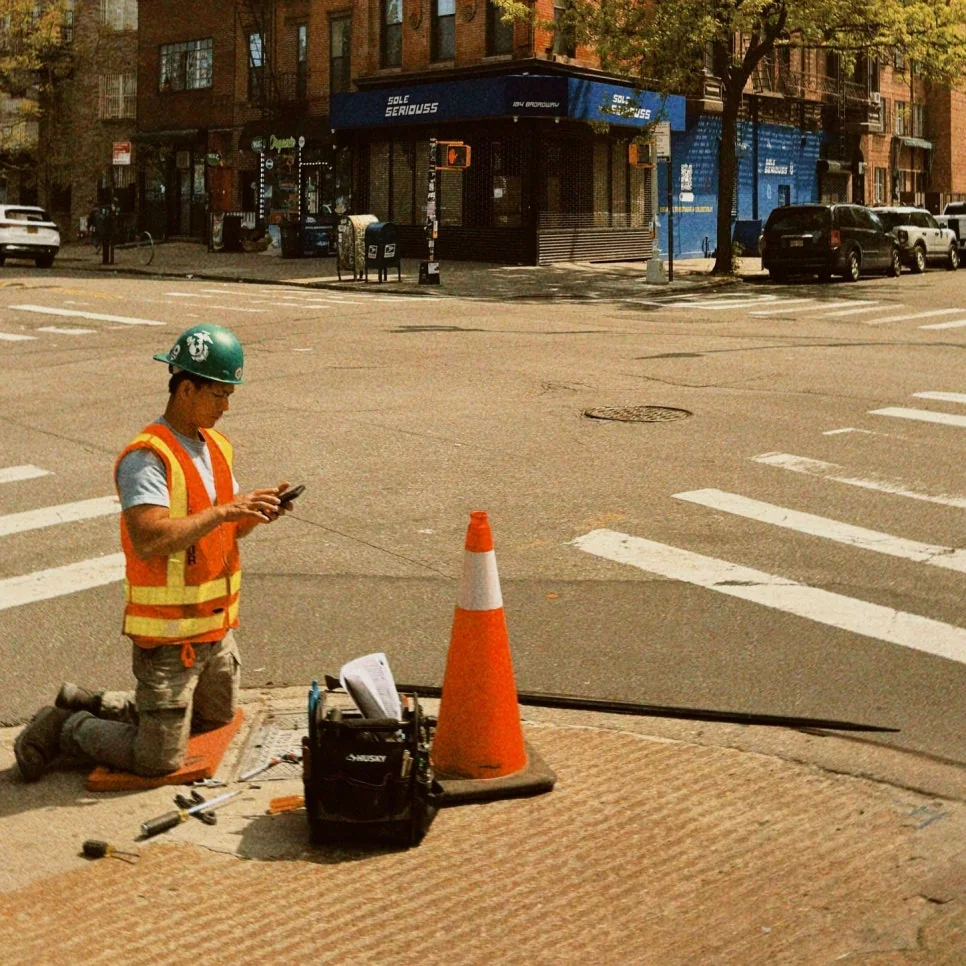
Remembering that a task took about two hours is not the same as measuring it. Photos also lose context when before and after are not recorded separately.
Even when you know your work well, busy days make it easy to skip a familiar check. A checklist is not just for beginners; it is a repeatable sequence for completing work to the same standard.
The most difficult question when creating a work form is not ‘What features should I include?’ but ‘What information do I need to check every time?’
Just because you have a work schedule doesn't always mean you need a long input screen. For short outings, only the title and location may be sufficient, while repeated inspections or consultations may require items to check each time.

Calendar reminders and D-Day both help you remember dates, but their purposes are different. Reminders remind you before an appointment or task starts, and D-Day shows how many days are left or have passed before an important date.
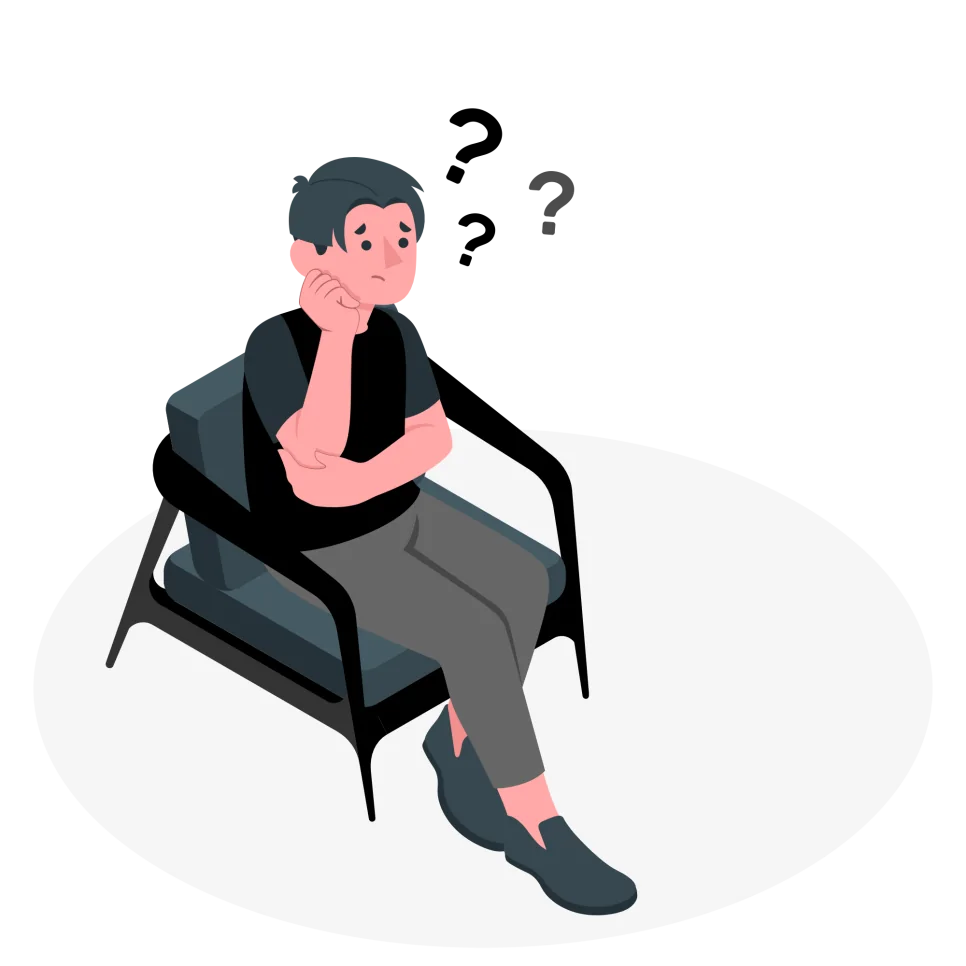
‘Classes every Monday’ and ‘Business trip from Monday to Wednesday’ both have multiple dates, but they are not the same schedule. The first schedule is a repeat schedule that starts anew every time, and the second schedule is a one-time schedule that lasts for several days.

With only a few events, flipping through the calendar is enough. As appointments and tasks accumulate, however, “What day was that?” can send you back through months.

When you install a new calendar app, the first hurdle is often not missing features, but deciding what to enter first. Here is how to create your first schedule in ILJI.
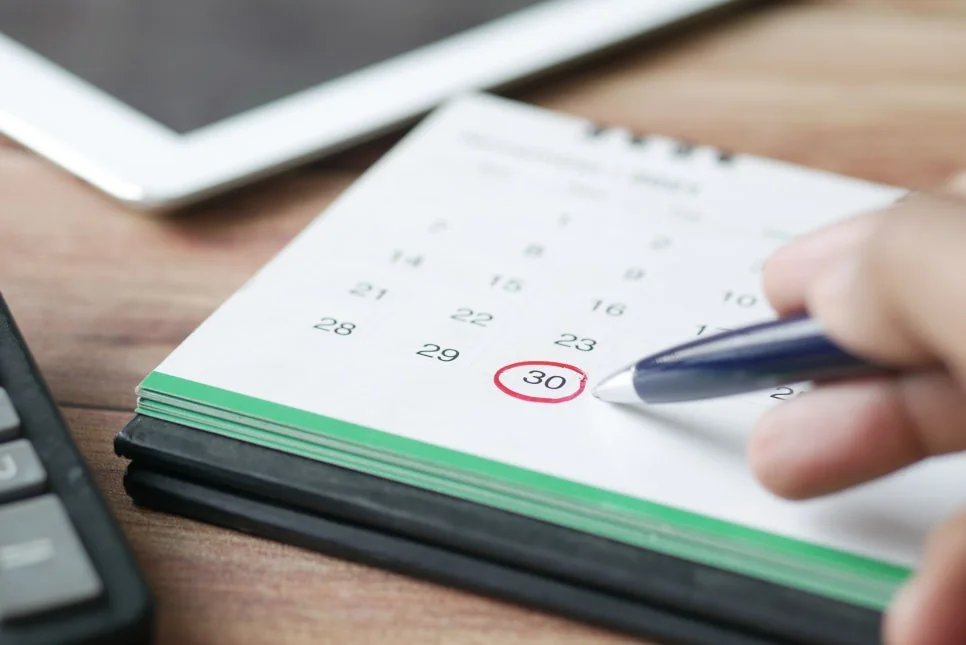
Even if your hospital appointment and on-site inspection are on the same calendar, the details you will check back on later are different. When registering events on your calendar, it sometimes feels unclear how to distinguish between personal and work.