2027 is Jeongmi, the Year of the Sheep in the traditional East Asian calendar.
Use the occasion of reading about your zodiac animal to consider something you want to do. These work and personal-planning suggestions draw on traditional Year of the Sheep interpretations in the Encyclopedia of Korean Culture. Treat them as prompts for reflection rather than predictions. The birth years below follow lunar years; if you were born in January or February, check which side of Lunar New Year your birthday falls on.
Rat — 1948, 1960, 1972, 1984, 1996, 2008

Refine a plan through small changes. The traditional interpretation mentions modest changes. Review plans in the last week of each month and adjust the start time or approach for something you keep postponing. An evening study session could become 15 minutes at lunch. Revising an initial plan can help you keep working toward it.
Ox — 1949, 1961, 1973, 1985, 1997, 2009

Enjoy steady completion. Compare expectations with actual progress. Break a goal such as preparing for a certification into work you can finish this week. Give it an endpoint: “Complete 10 workbook pages and review mistakes.” A clear stopping point also helps you recognize what you accomplished.
Tiger — 1950, 1962, 1974, 1986, 1998, 2010

Plan important work and rest. This interpretation describes time spent on several activities. Include exercise and family time, leave room between appointments in busy weeks and treat rest as a commitment. If work finishes early, use the time for a walk or a hobby.
Rabbit — 1951, 1963, 1975, 1987, 1999, 2011
Combine progress with careful checks. Use the traditional themes of progress and attention to detail as a prompt. Make a checklist for submissions or supplies and set aside review time before a deadline. Check attachments and dates before sending documents, and reuse checks that apply to the next job.
Dragon — 1952, 1964, 1976, 1988, 2000, 2012

Turn a larger goal into monthly stages. Draw on the theme of steady progress to divide a project into preparation, execution and review, with dates for each stage. Set outcomes such as research in January and a first draft in February so you can see how far you have come.
Snake — 1953, 1965, 1977, 1989, 2001

Make time for learning and meeting people. The interpretation mentions stability and relationships. Schedule study in a subject you want to learn or time to talk with colleagues and friends. After a conversation, note what interested you and a topic for next time. A short exchange may introduce a new interest.
Horse — 1954, 1966, 1978, 1990, 2002

Prepare for changes in stages. Moving and travel appear in this interpretation. If you plan a move, trip or business visit, separate bookings, packing and pre-departure tasks by date. Decide what to finish before leaving and what can wait until your return, including work after the trip.
Sheep — 1955, 1967, 1979, 1991, 2003
Choose the commitments that matter to you. The traditional reading suggests realistic choices among plans and invitations. Give time first to what you want most. Check existing appointments and available time before accepting another invitation. Allowing enough time to enjoy one activity can be a worthwhile plan.
Monkey — 1956, 1968, 1980, 1992, 2004

Give activities the time they need. Busy activity and new relationships appear in this interpretation. Confirm responsibilities and deadlines for shared work, and include travel time in personal appointments. After shared tasks, briefly confirm who does what next. Take time to understand expectations in new relationships.
Rooster — 1957, 1969, 1981, 1993, 2005
Restart a goal you set aside. Use the theme of returning stability as a reason to restart study or a hobby in a manageable weekly amount. In the first week, choose something small, such as reading a few pages. Begin by finding a pace that fits your life.
Dog — 1958, 1970, 1982, 1994, 2006

Confirm the details of a commitment. Draw on the themes of calm and careful communication. Confirm time, place, preparation and any changes for a meeting or work appointment. Write a short note of what was agreed after the conversation so you can review it and prepare questions next time.
Pig — 1959, 1971, 1983, 1995, 2007

Make an opportunity to use what you learn. The reading mentions developing knowledge and expertise. Schedule practice as well as the class, perhaps trying a new tool at work. Afterward, write what went well and what you want to understand better. Use it to choose the next study topic.
Source: Encyclopedia of Korean Culture — Zodiac animals. https://encykorea.aks.ac.kr/Article/E0017225
Turn a Reflection Into an Appointment Choose one suggestion and write when and where you will take the action.
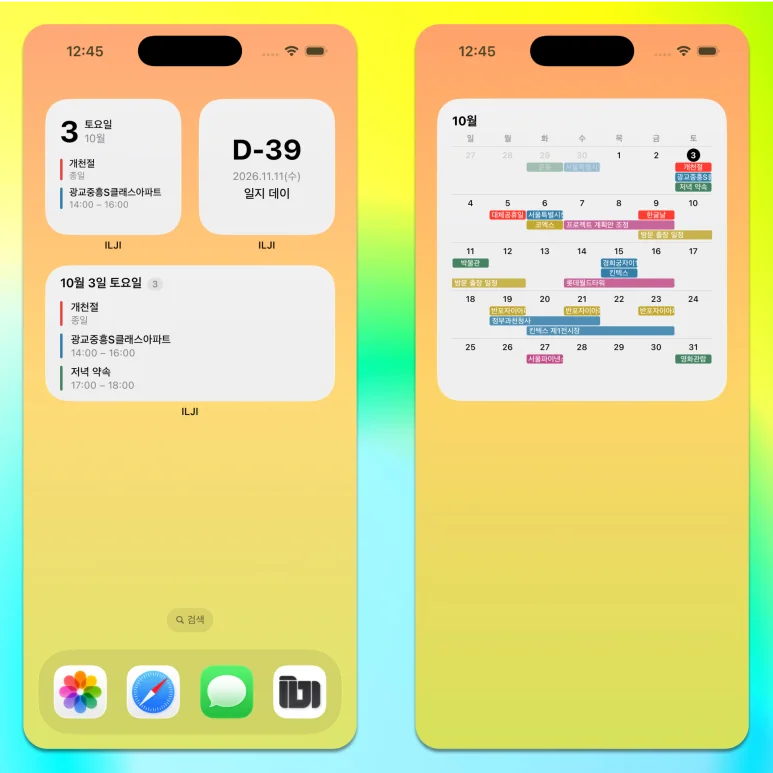
For example: “When I start work on Monday, I will check this week’s deadlines.” Connect a familiar situation to an action and set a time to review progress. In ILJI, use recurring personal events for study or exercise, with preparation in items and notes.
For work, use a form with the fields you need and review progress on a planned date. Turn something you hope for in 2027 into an appointment you can act on with ILJI.