Could you do this one first?
You are working on something due tomorrow when another request arrives.
It looks quick, so you help. Then two more similar requests follow.
Their work gets finished while yours slips into the evening.
You cannot refuse every request, but overtime cannot be the answer every time.
The first step is to find out what ‘urgent’ means for each request.

Choosing Between Three Urgent Tasks
Suppose three requests arrive with one hour left in the afternoon.
- A. The delivery address is wrong. The vehicle leaves in 20 minutes.
- B. Someone wants the color of next week's meeting materials changed.
- C. Next month's contract terms need to be reviewed by the end of this week.
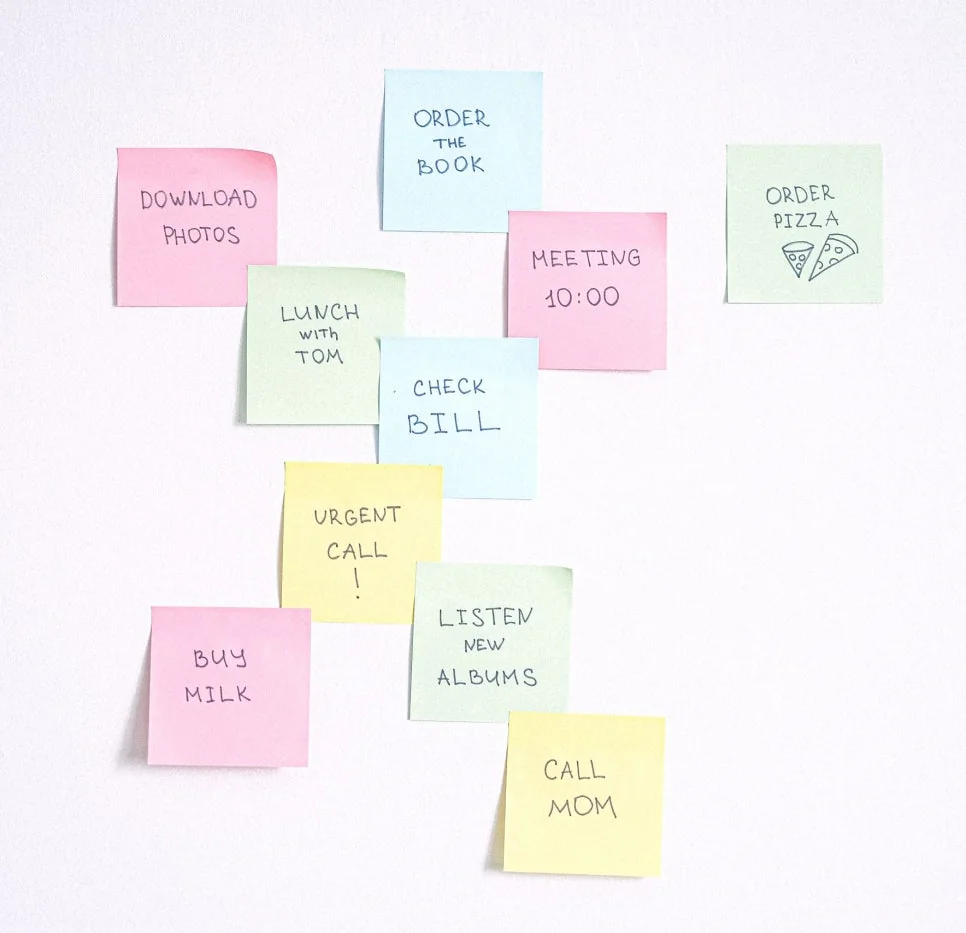
A clearly comes first because the consequence of delay is immediate and specific.
B and C are different. Someone is pressing for B while C still has time.
But if the meeting for B is next week, the edit may be quick without being important enough to interrupt the contract review.
“When do you need the materials?”
When Urgency Overshadows Importance
That answer alone can change the order. Urgency is easier to notice than importance.
Research on the mere urgency effect found that people can favor a lower-value task when it has a shorter deadline.
Even when the actual value is lower, a short deadline can pull the decision toward it.
At work, message alerts and repeated reminders can act as the same signal.
A quick reply stops someone from waiting and gives you an immediate sense of completion.
A contract review takes longer and may have no one actively chasing it.
Separating Urgency from Importance
An urgency–importance matrix helps separate the two.
It is often called the Eisenhower Matrix.
- Important and urgent: Decide what must be handled first.
- Important but not urgent: Reserve time for it.
- Urgent but low-impact: Check whether the scope, deadline, or owner can change.
- Neither: Decide whether it still needs to be done.
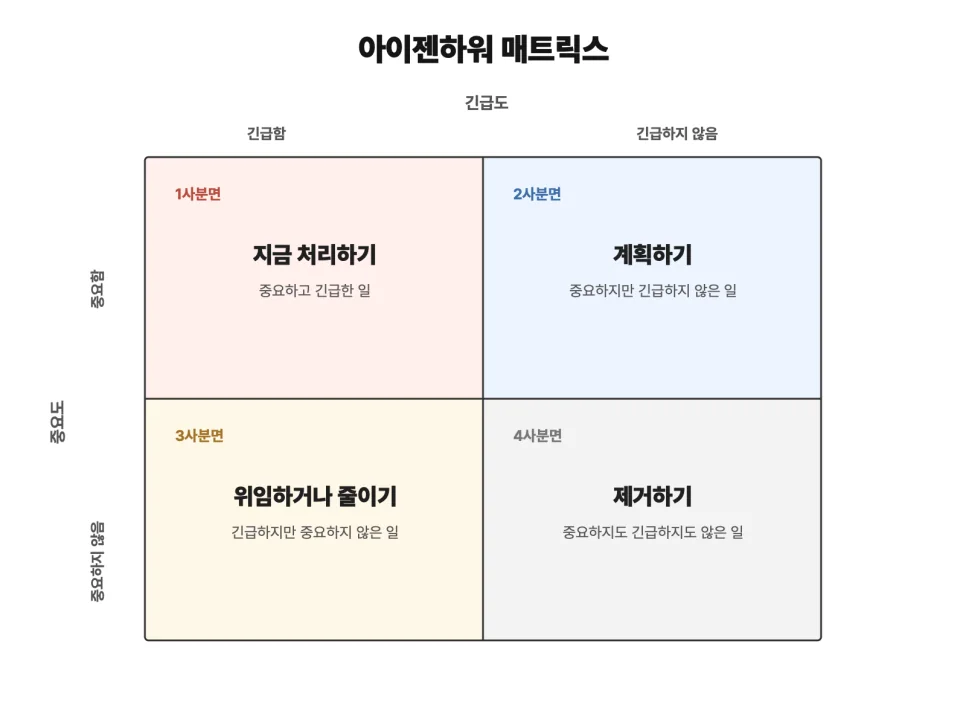
Placing work in four boxes does not settle every case. Meeting materials may be important if the change is required for submission, so a task cannot be judged by its label alone.
Ask two questions: When is it actually needed? What stops if it is late?
What Comes After “I’ll Do It Right Away”
When a new request changes the order, make the impact on existing work explicit.
“If I make this change first, the contract review moves to tomorrow morning. Should I proceed in that order?”
This keeps the person receiving the request from carrying both deadlines alone.
If you cannot set the final order yourself, make sure the decision-maker can see the conflict.
The same issue affects freelancers and self-employed workers. Before accepting extra work today, check whether the delivery dates you already promised can still be met.
If no deadline moves, the extra work often takes the place of your own rest.
Looking Back at What Got Delayed Today
Think about the work that slipped today.
What you change tomorrow depends on whether something more important appeared or the loudest request simply took over.
Before accepting the next request, ask when it is actually needed. That short question can be the first step in protecting time for your own work.
ILJI TIME STORIES · 11