A new teammate has a lot to learn.
Work sequences, required checks, contacts, photo standards, and exception handling differ by company and site. Even an experienced hire has to learn how a new team works.

Why Handoffs Take So Long
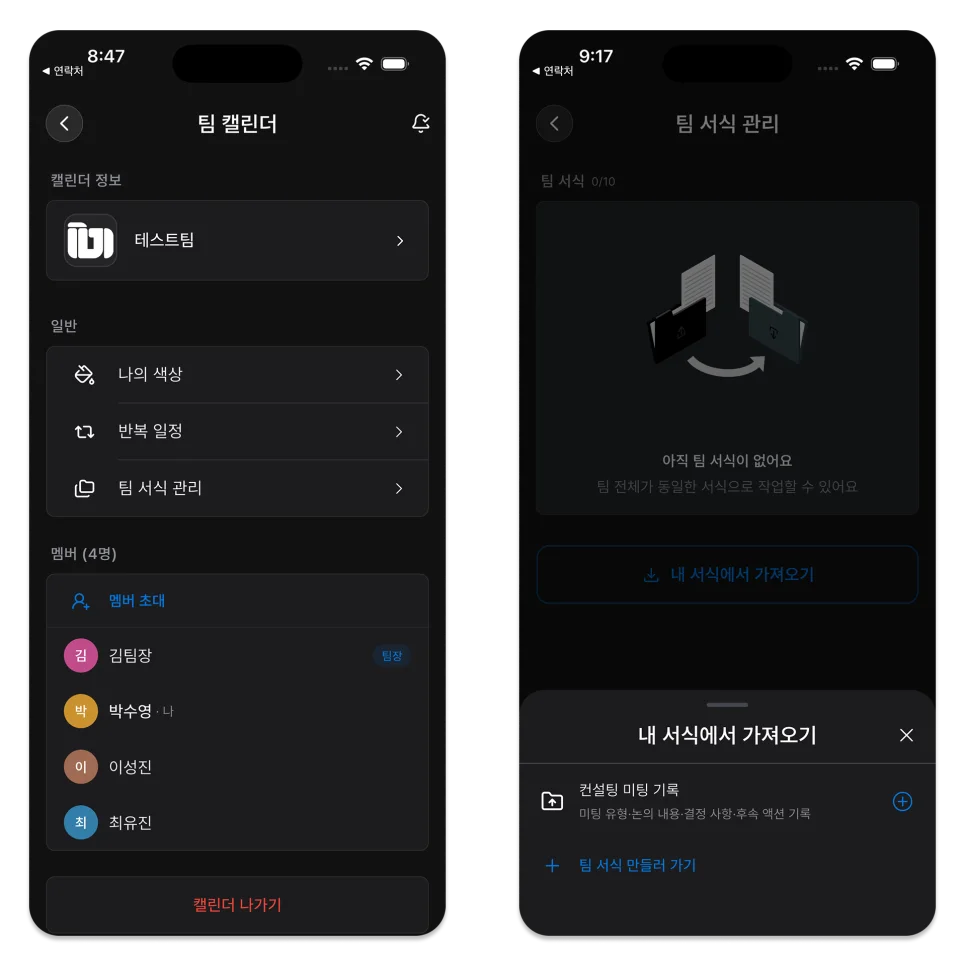
When a process lives only in someone’s memory, every reassignment restarts the explanation. Information buried in a group chat or a large manual is still hard to find when it is separated from the actual task.
Keep Instructions Next to the Work
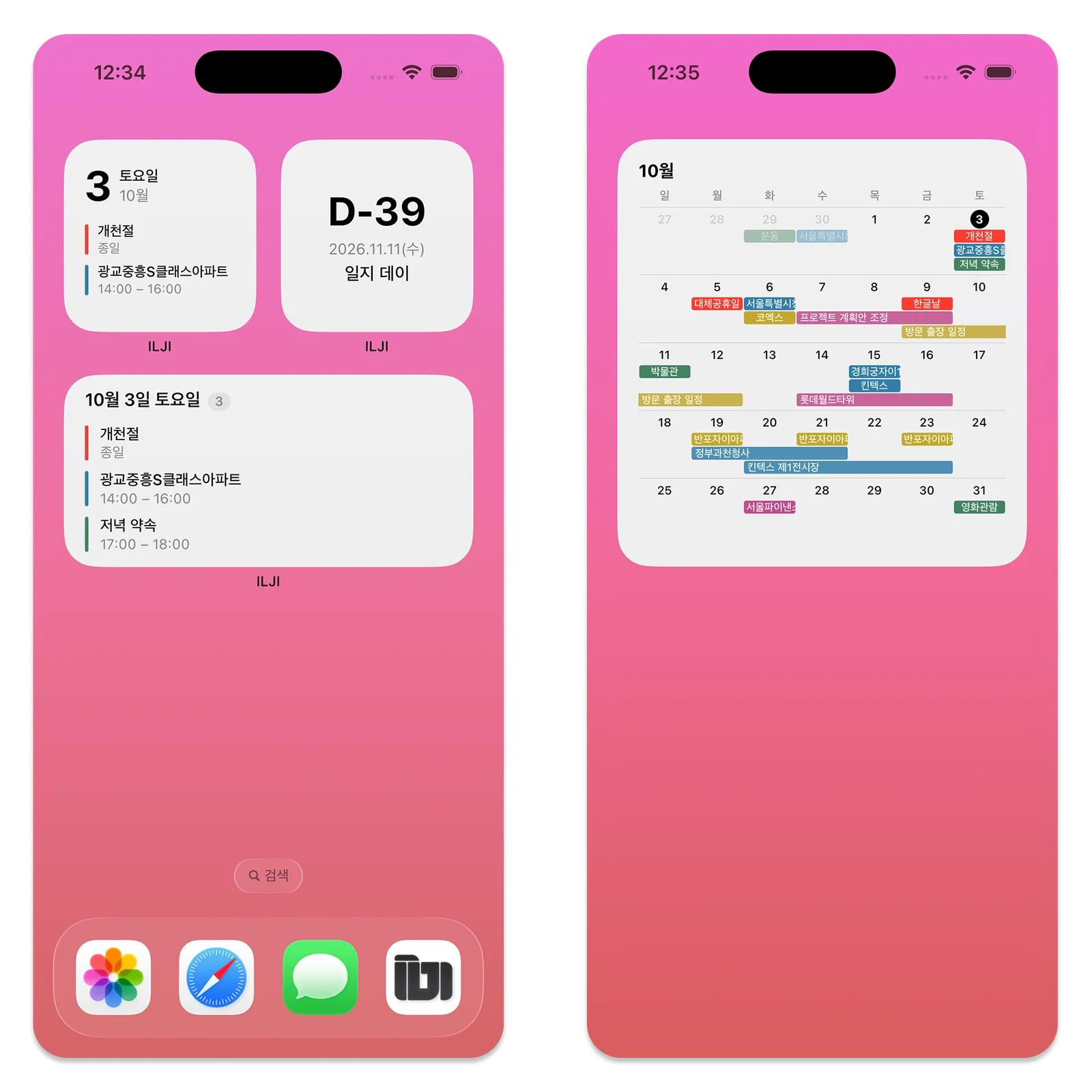
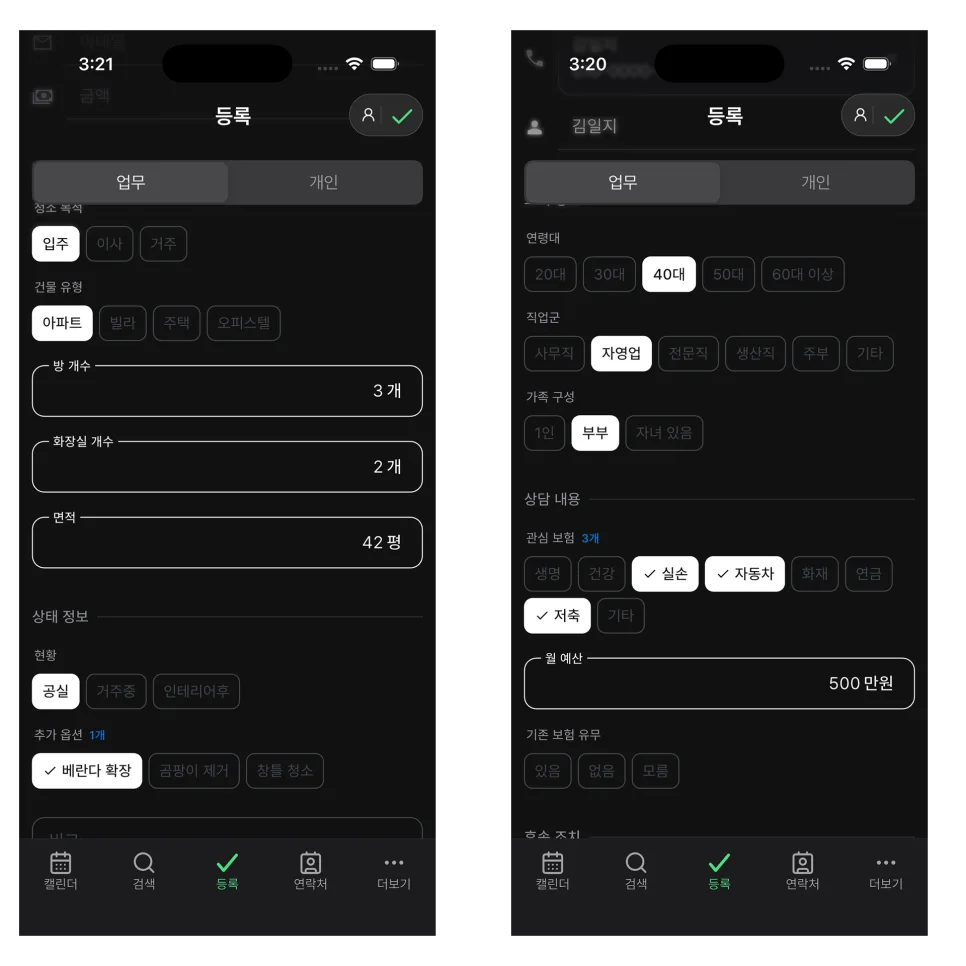
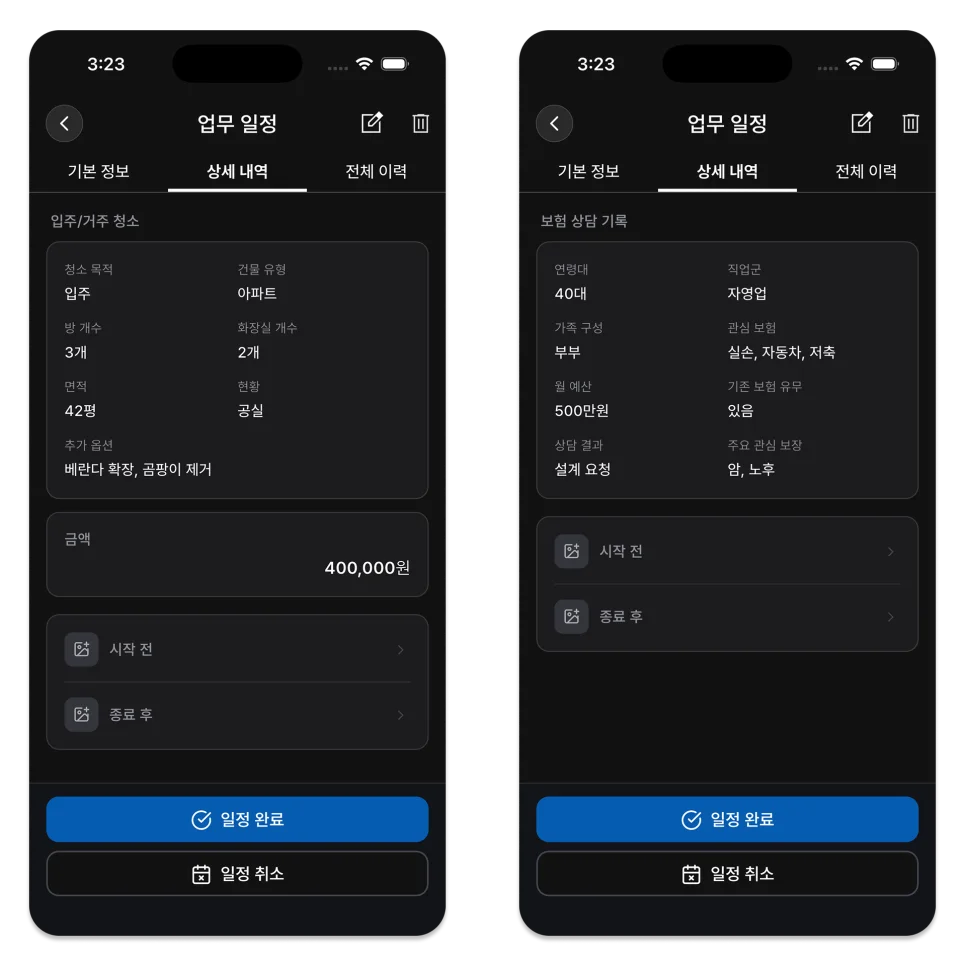
A new teammate does not need every company rule at once. They need the information required for the task in front of them. In ILJI, work forms can place addresses, requests, preparation, costs, photos, and notes inside each schedule.
Past Schedules Become Practical Examples
Past work gives context that instructions alone cannot. A teammate can review when the work happened, what the customer requested, which checks were made, and what remained afterward.
Let the Process Evolve Without Rewriting History
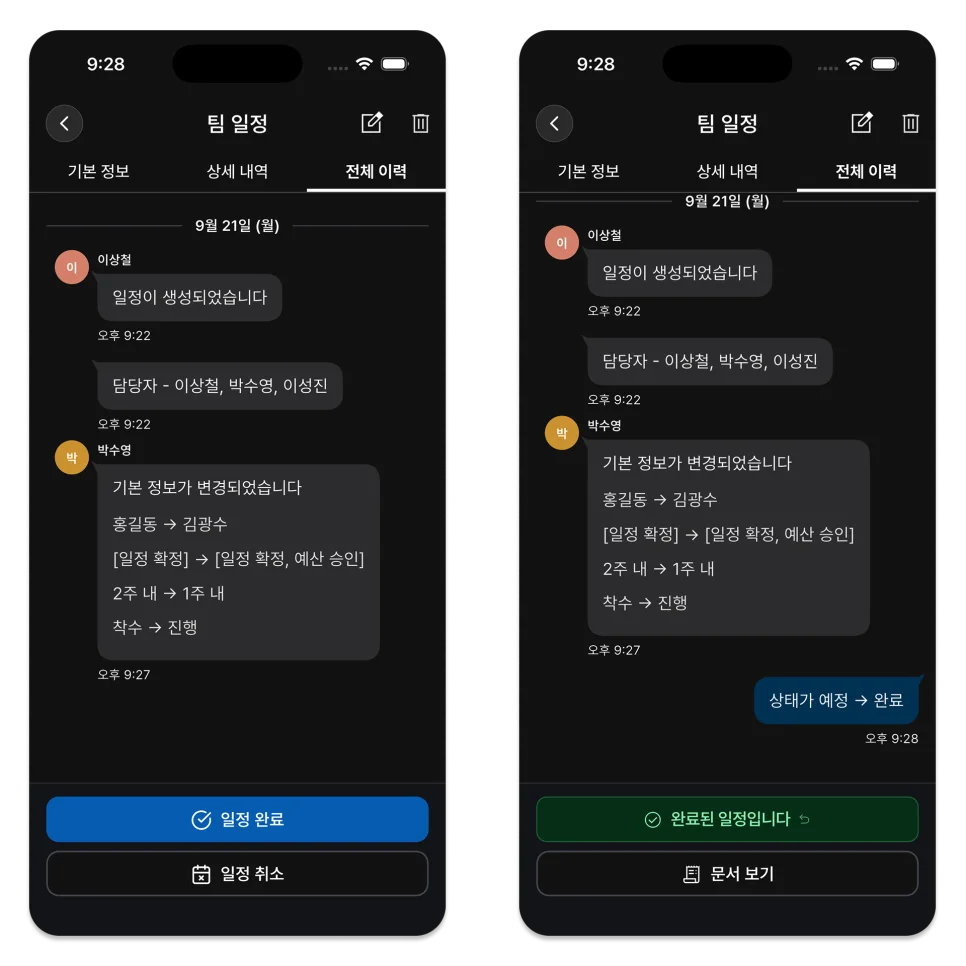
When a work form changes, future schedules can use the revised structure. Existing schedules keep the structure saved with them, so the team can distinguish past work from the current process.
Save Human Explanations for Judgment Calls
Safety guidance, unexpected problems, and team judgment still need a person. When routine instructions are available in schedules and forms, onboarding time can focus on real questions and experience.
The more a new teammate can check before asking, the more time the team has to discuss what comes next.