People believed that by saving time, they would one day get more of it back.
A Bank That Promised to Save Time
A strange bank appears in Michael Ende's novel 『Momo』, published in 1973.
It is a ‘time savings bank’ that takes care of time, not money.
The bank's employees were gray from head to toe. They wore gray suits and gray hats and smoked small gray cigars.
People soon forgot they had even met them.
But the thoughts they left behind did not disappear.
The Gray Gentleman at the Barbershop
One rainy day, a gray gentleman came to the barber Mr. Pusey's shop.
Mr. Pusey ran a small barbershop. He enjoyed chatting with customers while fixing their hair, and he also took great pride in his work.
But that day, everything felt shabby.
Would he spend his entire life working in this small shop? Was there too little time to live properly?
Just then a gray car stopped in front of the store.
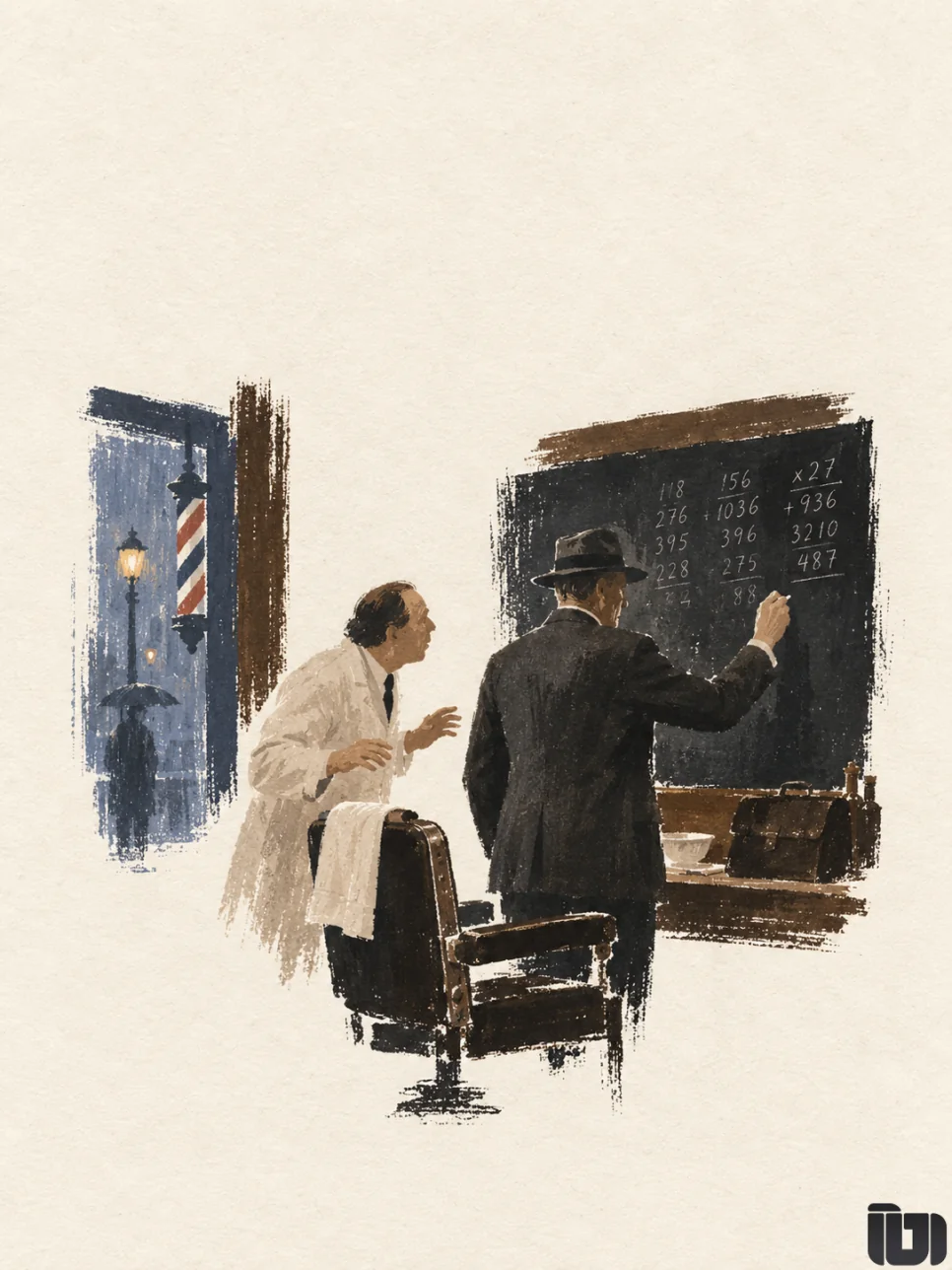
A gray gentleman got out of the car, sat down in a barber's chair, and introduced himself as an employee of the Time Savings Bank.
He took out a piece of gray chalk and began writing numbers on the store mirror.
The time Mr. Puji slept, the time he ate, the time he talked to his mother, and the time he met his friend were all converted to seconds.
The time spent singing, reading books, and sitting by the window reflecting on the day was also counted.
In the gray gentleman's calculations, all that time was a 'waste'.
At the end of the numbers that filled the mirror, the remaining time was written as 0.
Mr. Fusi Starts Saving Time
Mr. Pusey came to believe that he had wasted a great deal of time.
The gray gentleman said that if you save time now and leave it to the bank, you can receive interest later.
He also explained how to do it.
Reduce the time you spend on each customer by half and avoid unnecessary conversations.
Reduce the number of times you see your mother, and stop singing and reading books with friends.
Install an accurate clock in the store and check the movements of employees by the minute.
Mr. Pusey decided to follow suit.
When the gray gentleman left, the numbers on the mirror disappeared. Mr. Pusey couldn't remember who came.
The idea of saving time remained in Mr. Fusi's mind like a resolution.
When the first customer came in, Mr. Pusey did only what was necessary.
Work that had taken 30 minutes was finished in 20. He stopped talking with customers.
He hired more staff and timed every movement.
The work moved faster and the shop served more customers.
But Mr. Pusey had no time left.
The day went by faster. A week disappeared, a month and a year passed in the blink of an eye.
The more time he thought he saved, the faster he rushed. The faster he rushed, the more impatient and anxious he became.
Time-Saving Spreads Across the City
Mr. Pusey was not the only one who changed.
Other people in the city have also started saving time.
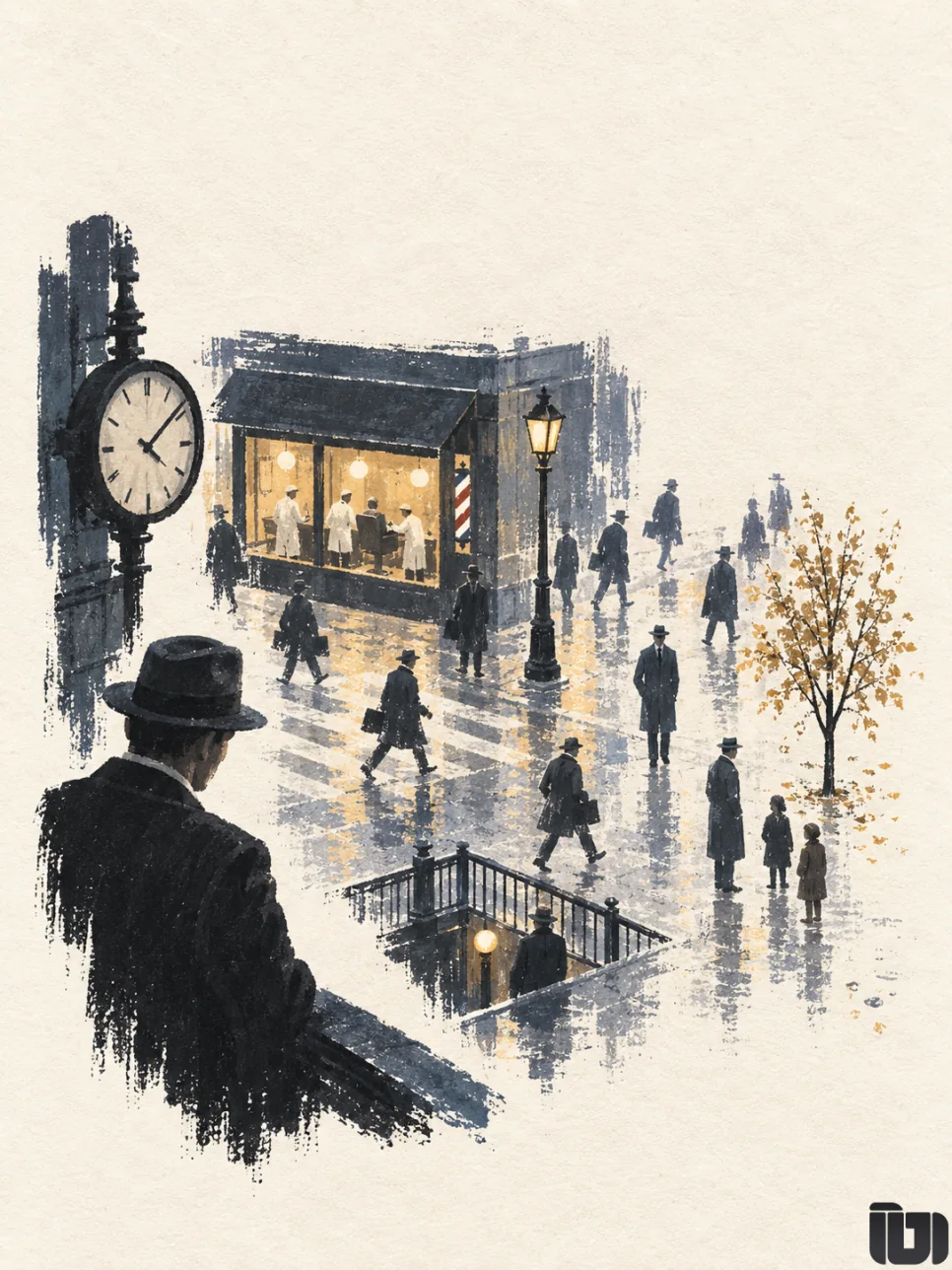
People who had been talking for a long time ended their conversation briefly. The number of customers who stayed at restaurants slowly disappeared, and the number of adults willing to play with children also decreased.
Even rest had to be made efficient. A quiet moment began to feel like wasted time.
Faster Work and Busier Lives
People worked faster and got more things done than ever before.
Still, everyone said they were busy. There was no time to wait for each other or listen to others' stories.
The time they saved was not accumulated anywhere.
Time Savings Bank had no intention of giving people their time back. The gray gentlemen were time thieves, living off stolen time.
People saved their time today in order to live a good life someday.
However, while waiting for that ‘someday’, today’s life became faster and dryer.
When we are short on time, the first thing we do is fill up our schedules.
Sometimes you think you've had a good day by reducing your break time, handling multiple tasks at once, and completing at least one more thing.
However, it is difficult to know whether you did something important today just by looking at the number of tasks you completed quickly.
Appointments with people you must meet, tasks you must think through, and records you must keep for the next task require time.
Writing down your to-dos not only helps you find and fill empty time, but also helps you figure out what to devote time to first.
The people of 『Momo』 were so busy saving time that they forgot where they really wanted to spend their time.
When looking at today’s schedule, Rather than looking for things to finish the fastest, why not first find the things you don't want to miss?
ILJI TIME STORIES · 09