Work that takes several visits is easier to manage when it is divided into outcome-based stages instead of one month-long calendar entry.
An office facilities project may span preliminary checks, an initial visit, corrective work, and final review over several weeks. Showing only the full project period does not reveal what must be finished this week or by whom.

Define the Outcome Before Choosing the Date
Preliminary review may finish when required photos and site details arrive; the first visit may finish when every inspection item is checked. A clear finish condition makes it easier to assign each stage and schedule it.
- Preliminary review — customer request and site details — intake owner — week 1
- Initial visit — inspection result — field owner — week 2
- Corrective work — completed action and photos — work owner — week 3
- Final review — customer-facing result — accountable owner — week 4
Use the Monthly View for Flow and the Daily View for Execution
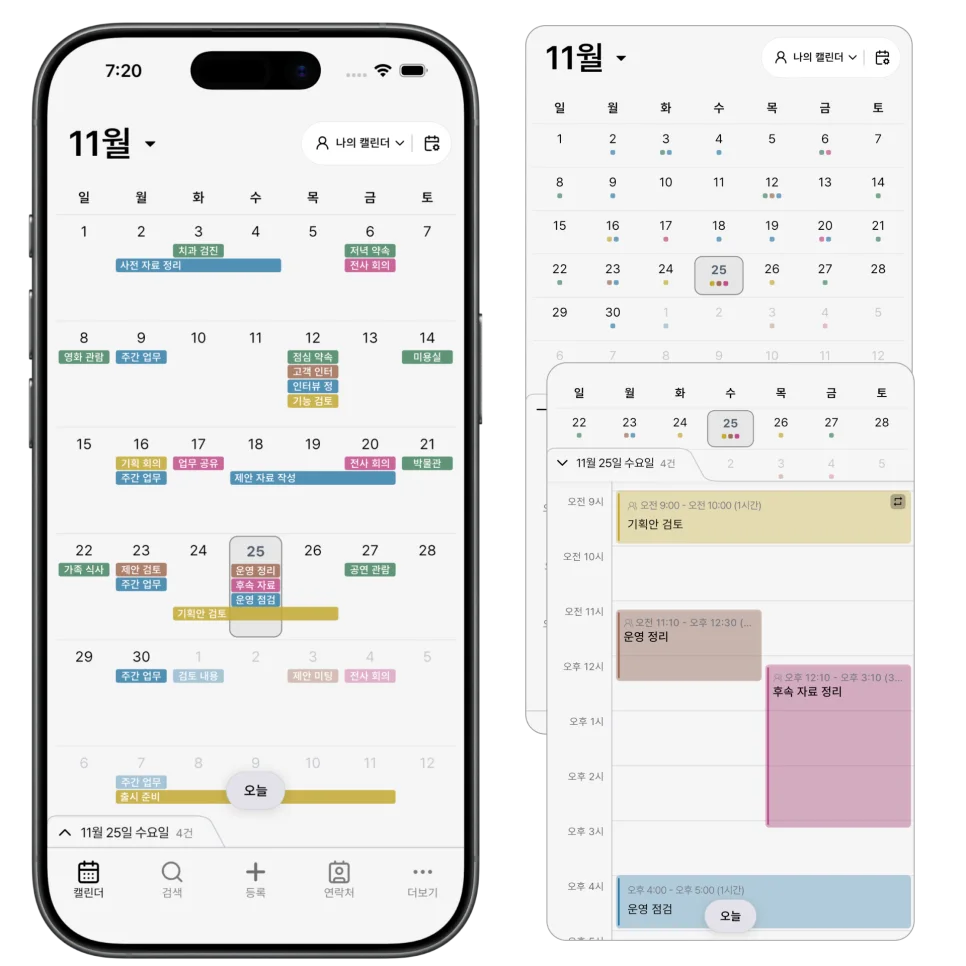
Use the monthly calendar to spot overloaded weeks and the daily timeline to review sequence and time before the next visit. Managers and field workers can look at the same schedules while answering different questions.
Leave Review Time Between Stages
After the initial visit, the team may need to organize findings, agree on corrective scope with the customer, and check materials. Confirm that the next stage is ready instead of scheduling it immediately. Add review and replanning points as well as major visit dates.
Assign Ownership at Each Stage
The intake owner does not have to perform the site inspection. Assign an owner to each stage, and at every handoff pass the location, observed condition, photos, and agreed scope. “The team will handle it” does not identify who starts the next action.
Refresh the Monthly Plan Each Week
The plan made at the start of the month will change after the first visit. Review the remaining dates each week and hold the next visit until prerequisite results are ready. A completed visit is not the same as a completed project.
Separate Customer Dates From Internal Preparation
Customers may care most about the site visit and final delivery, while the team needs material checks, photo organization, and internal review between them. Work backward from the promised delivery date to reveal hidden preparation time.
When One Stage Slips, Recheck Every Stage After It
When the first visit moves by three days, the time available for corrective work and final review shrinks. Recheck each stage’s finish condition, owner availability, and the customer deadline. Moving only the last date hides where the project became blocked.
Managing Project Stages in ILJI
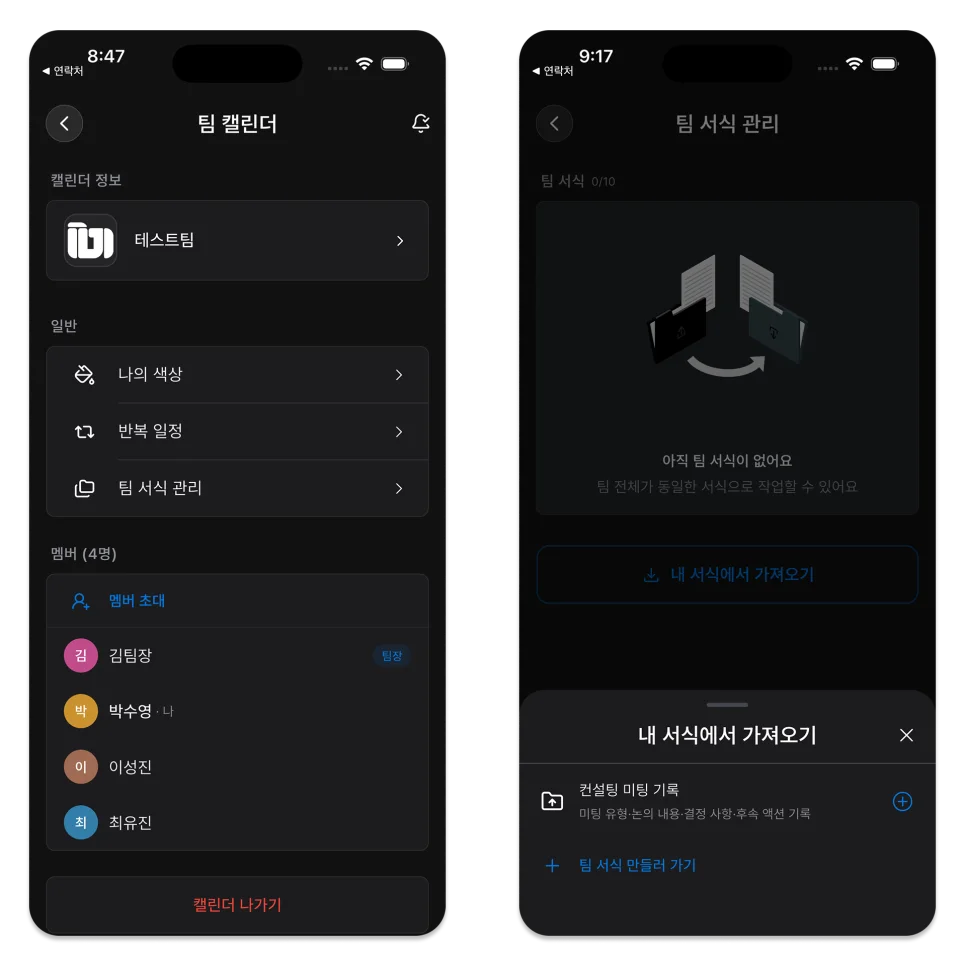
Review schedules in the monthly calendar and daily timeline, and assign team schedules by stage. Create a separate schedule for each stage, use the same project name in their titles, and keep each result with the relevant schedule.
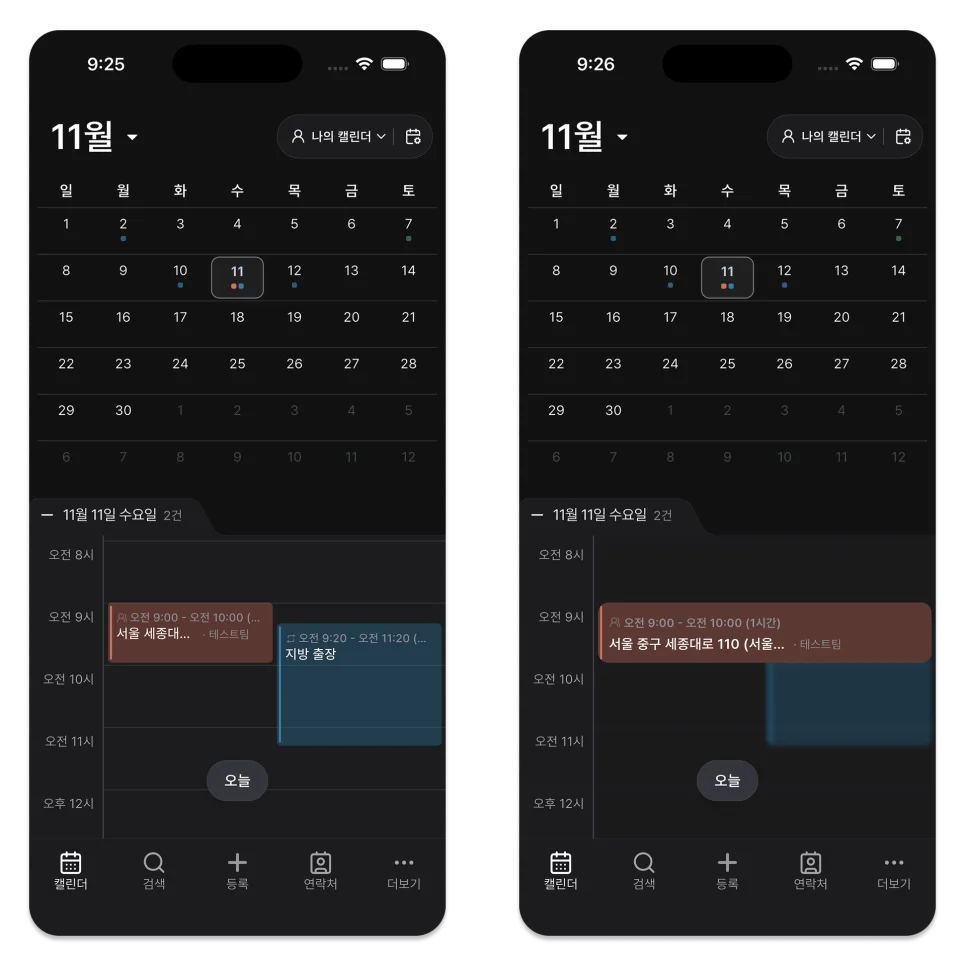
ILJI does not automatically manage dependencies between schedules. When one stage changes, the team still needs to review later dates and the preparation time available to their owners.
The point of dividing a project is not to create more calendar entries. It is to know what must change when a stage runs late.