Suppose you have three customer meetings in one day. Allow an hour for each, and the day seems to contain only three hours of work.
In practice, you also need to review previous discussions, travel, send promised information, and arrange the next meeting.

A field day often feels busy because the work surrounding each meeting has not been given time—not because of the meeting count alone.
Review the Previous Promise Before the Meeting
Check what you explained last time, which information you promised to send, and the purpose of this meeting before you set off.
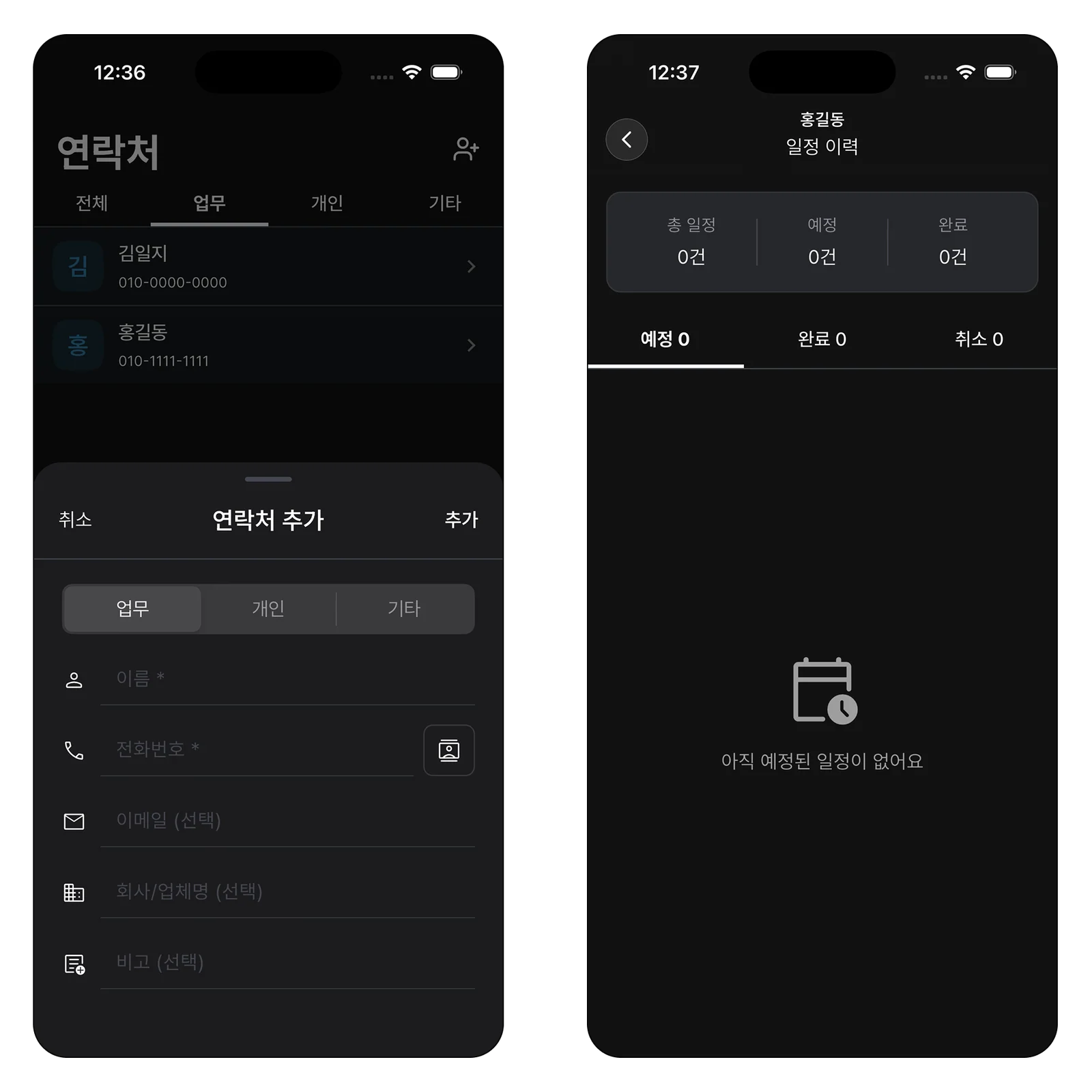
Looking up contact details and meeting history separately adds preparation time.
Keep the relevant information with the event instead of traveling with only its title to guide you.
Choose One Next Action Immediately Afterward
Even a useful meeting is harder to continue if follow-up is forgotten. Decide whether the next step is sending information, waiting for an answer, or booking another visit, then note who will do it and when. Do not mark a contract as progressing if the customer has not confirmed.
Separate Contact Attempts From Confirmed Appointments
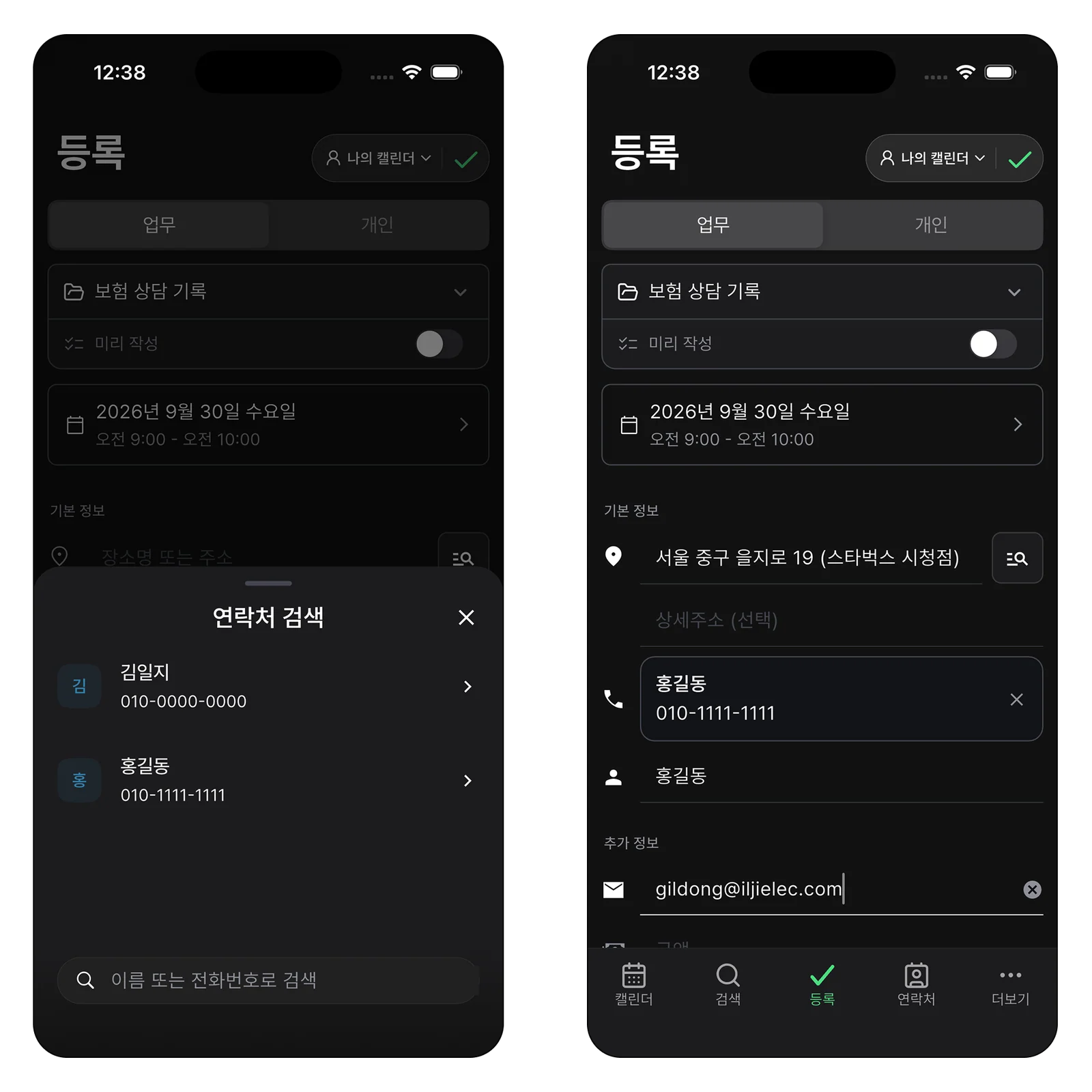
An unanswered call is not the same as a visit confirmed for next Tuesday. Labeling both as an upcoming consultation can mislead a colleague. Distinguish attempted contact, a reply you are waiting for, and a confirmed meeting.
Add Up the Time Between Meetings
Meetings at 10 a.m., 1 p.m., and 4 p.m. do not make all the gaps available to another customer. A 10 a.m. meeting that ends at 11 may leave little time before lunch once you prepare the promised information and travel. Include preparation, travel, and follow-up for each meeting.
A first consultation may need more preparation than a short check-in with an existing customer. First meetings, policy explanations, and requests for changes need different information and time. Count those differences—and any preparation done the night before—as work.
Separate the Customer’s Words From Your Judgment
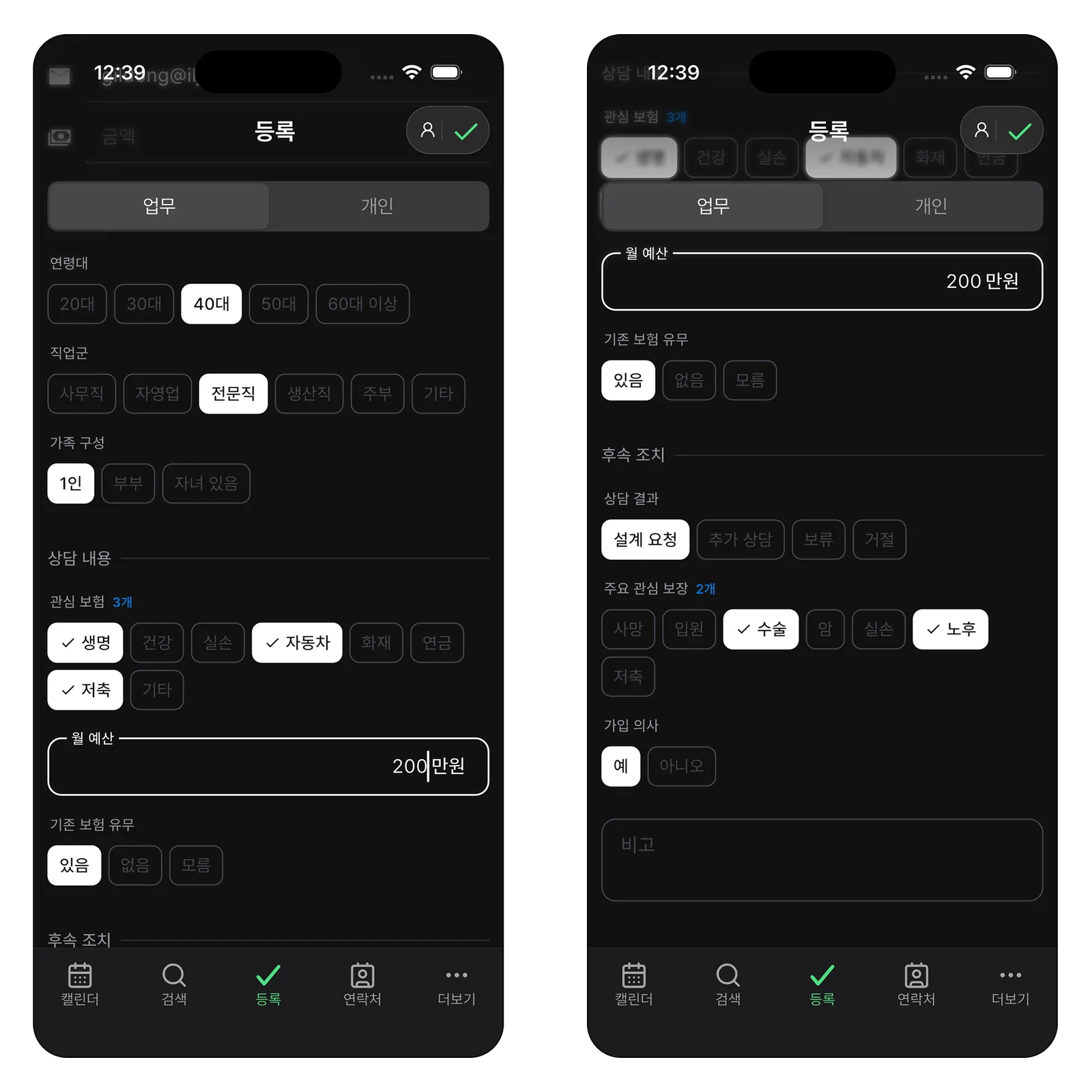
While the conversation is fresh, distinguish what the customer requested, what you actually explained, and what still needs checking. “Interested” says little about what should happen next. “Customer requested a coverage comparison; promised for Thursday; additional conditions need checking” makes the next action clearer. Do not record an undecided matter as confirmed.

Record customer information only to the extent needed for the work, and follow your company’s privacy and security rules for sensitive details. Avoid putting sensitive discussion details in a visible event title. The team may need the next visit time, assignee, and follow-up action rather than every part of the conversation.
Put Promised Follow-Up on the Calendar
“I’ll call sometime next week” is easy to forget if nothing is scheduled. Give promised documents and follow-up calls their own next action. Respect the time a customer needs to review information and agree when to check back.
Follow the team’s rules for retrying unanswered calls. Not every follow-up requires a visit: calls, sending information, and travel take different amounts of time, so separate work that needs a journey from work you can do at your desk.
Agree on What a Colleague Needs for a Handoff
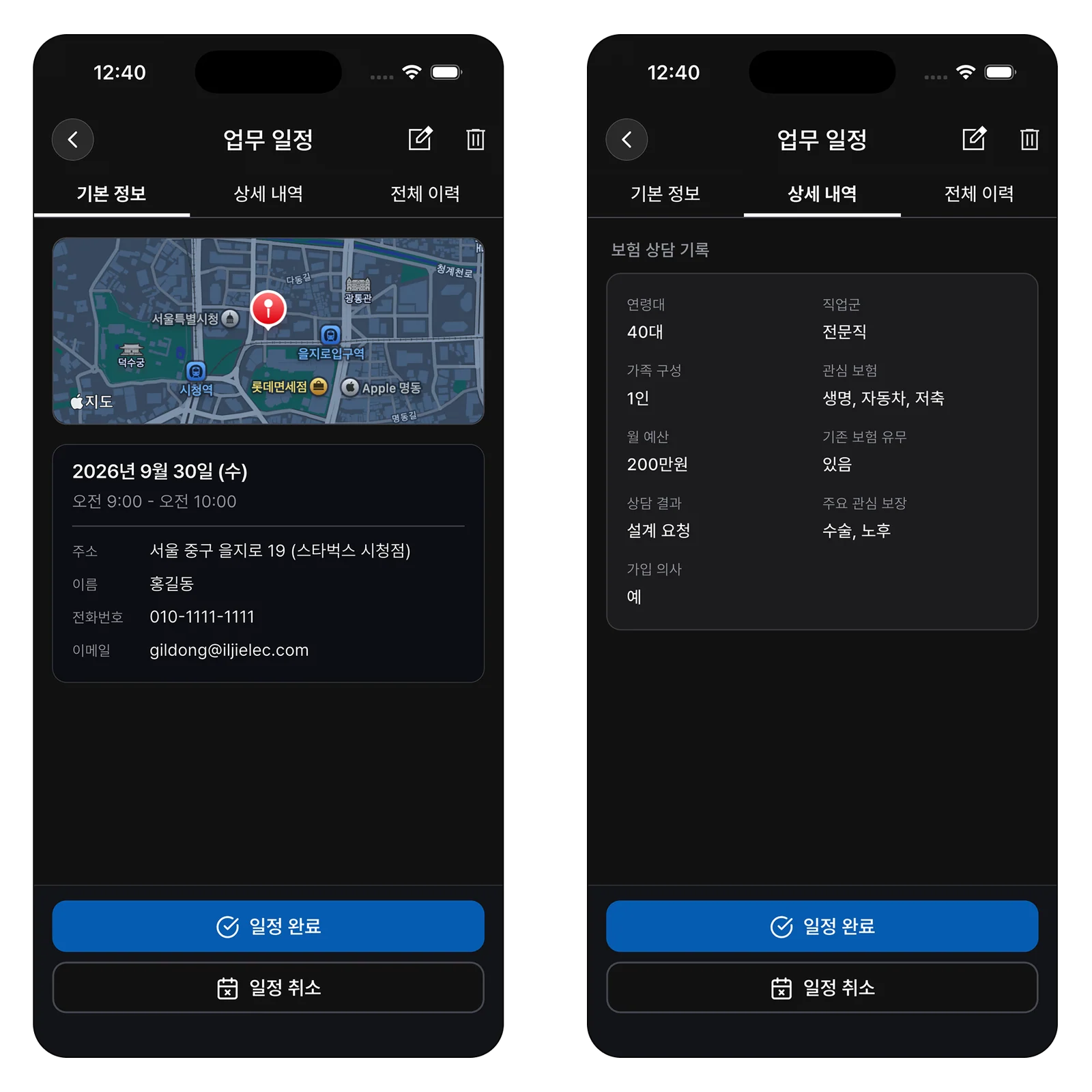
If a colleague handles a customer while you are away, they need to know the last promise, whether an answer is pending, and who should make the next contact. A clear current status and next action can be more useful than a long transcript, while the previous entry helps avoid contradicting earlier advice.
At the end of the week, check for missing follow-ups, not just meeting counts. The aim is to carry each meeting through to its next action, not fill the calendar as tightly as possible.
Use a Canceled Appointment Without Losing Its Follow-Up
Before filling a canceled meeting with another customer, check whether rebooking is needed. Reuse relevant preparation or catch up on promised calls. Canceling a time slot does not erase the next step.
Tell the team whether the customer will call back or you need to propose a new date. Do not present a tentative time as an agreed appointment. At week’s end, review whether promised information and calls were delivered on time as well as how many meetings took place.
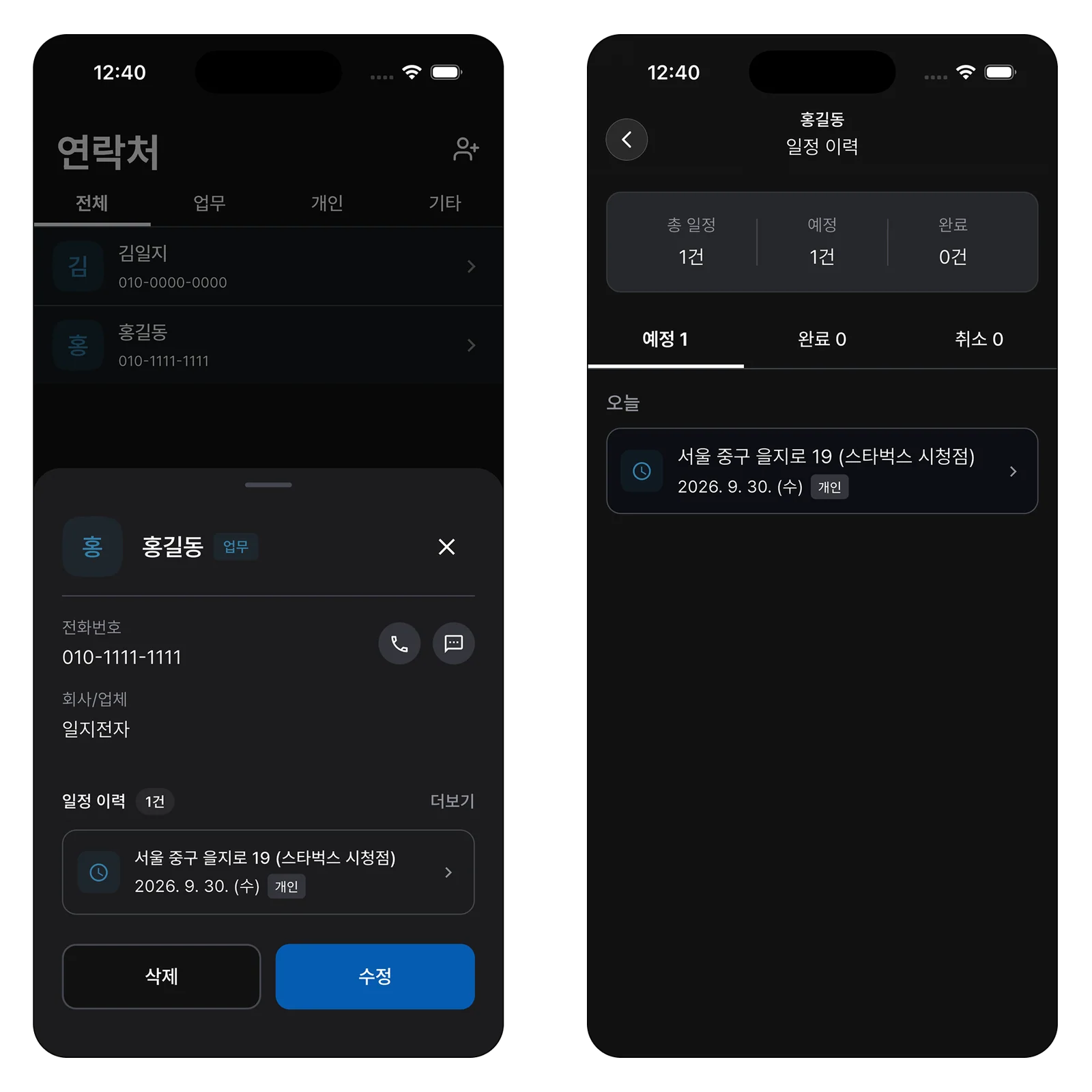
Following Customer Meetings in ILJI
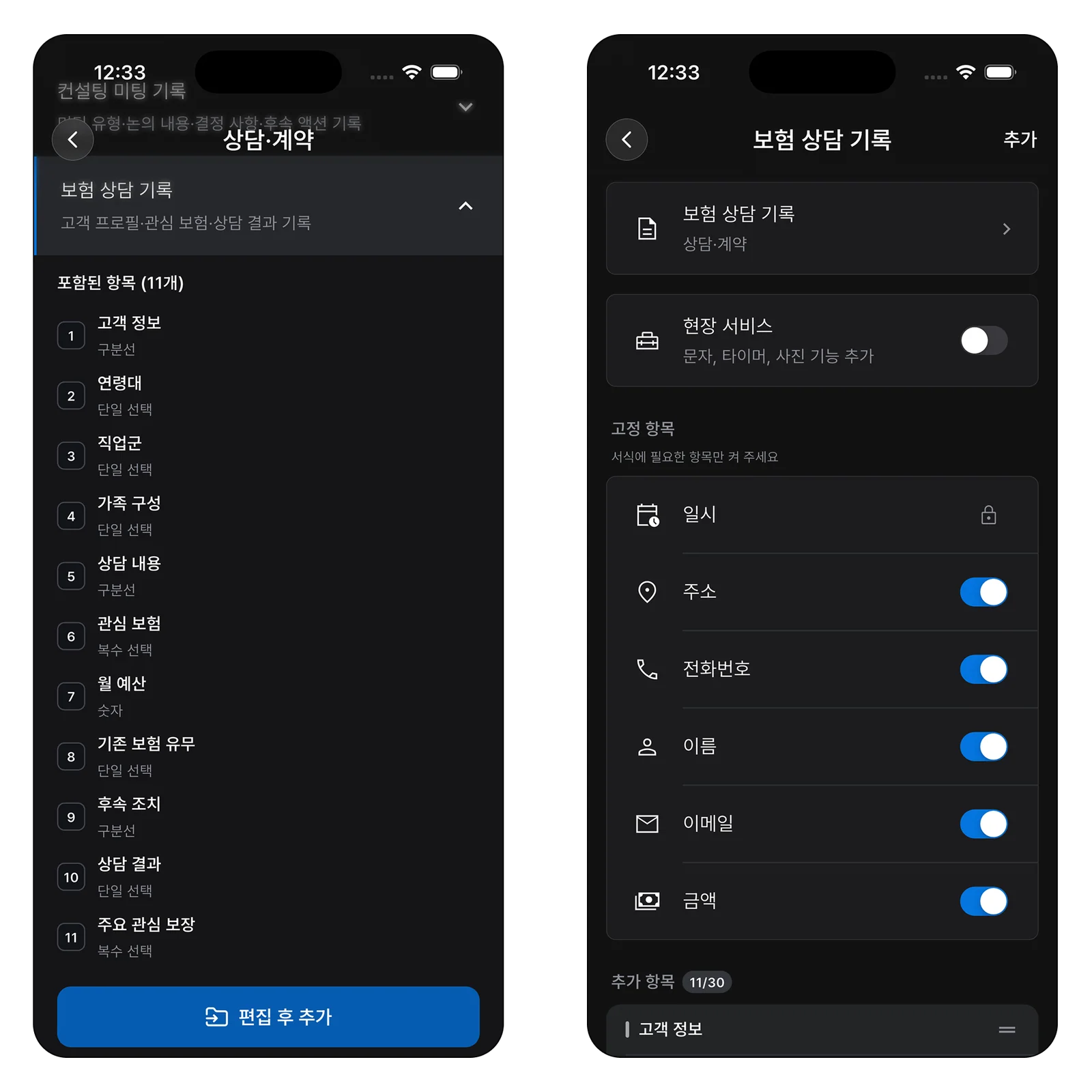
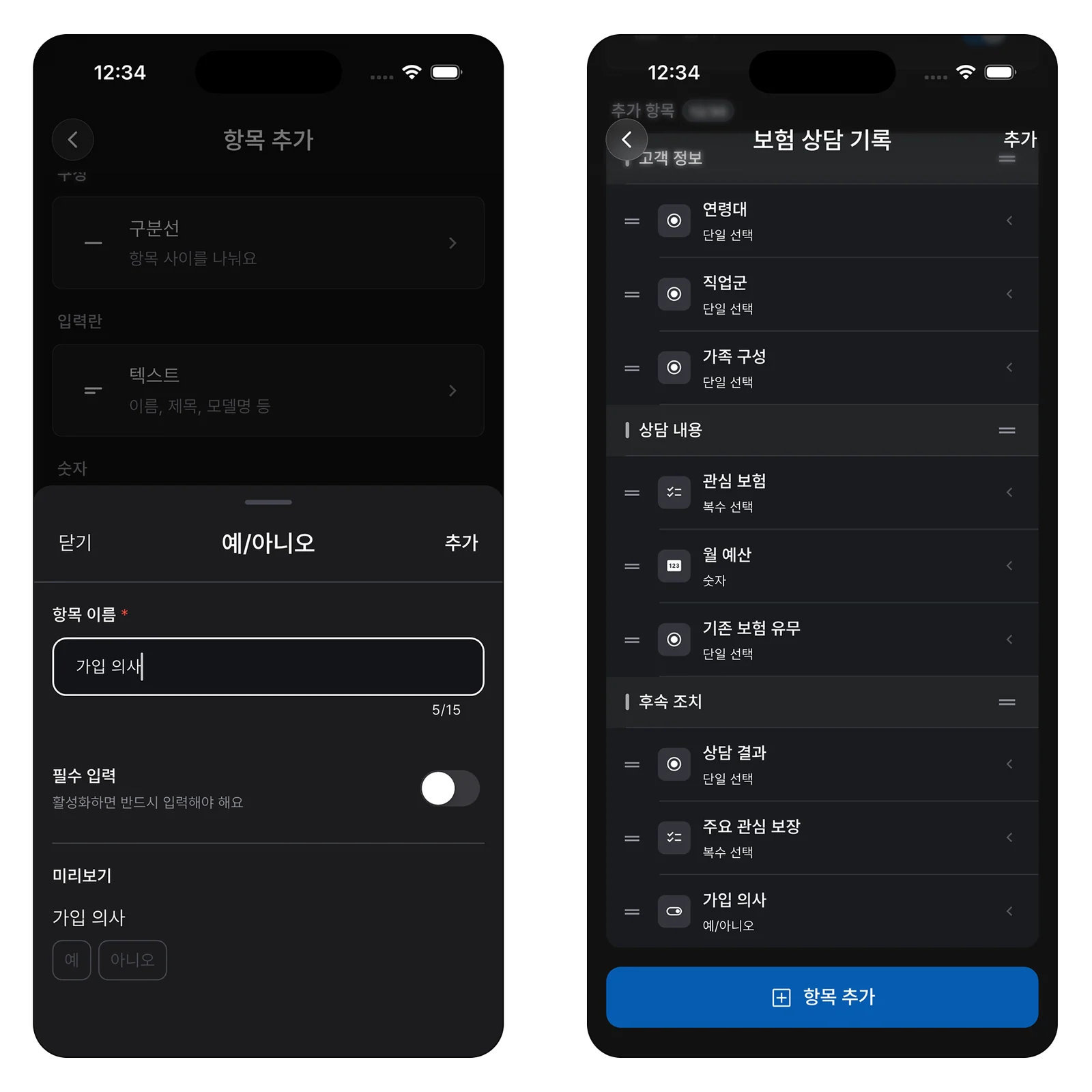
ILJI lets you link personal contacts to events. A preview of three linked events is available for free; full history is available with Plus or Team.
Personal and team calendars can be viewed separately. Sales decisions and customer conversations remain the person’s responsibility. The app helps preserve what was promised and what should happen next between meetings.