Leaving the site does not always mean the workday is over.
After fieldwork, someone may still need to update the office, organize findings, and prepare questions and the visit order for the next day. A calendar entry that says only “business trip, 9 to 5” does not show whether the evening can hold another consultation.
Separate the Hours When Calls Are Difficult
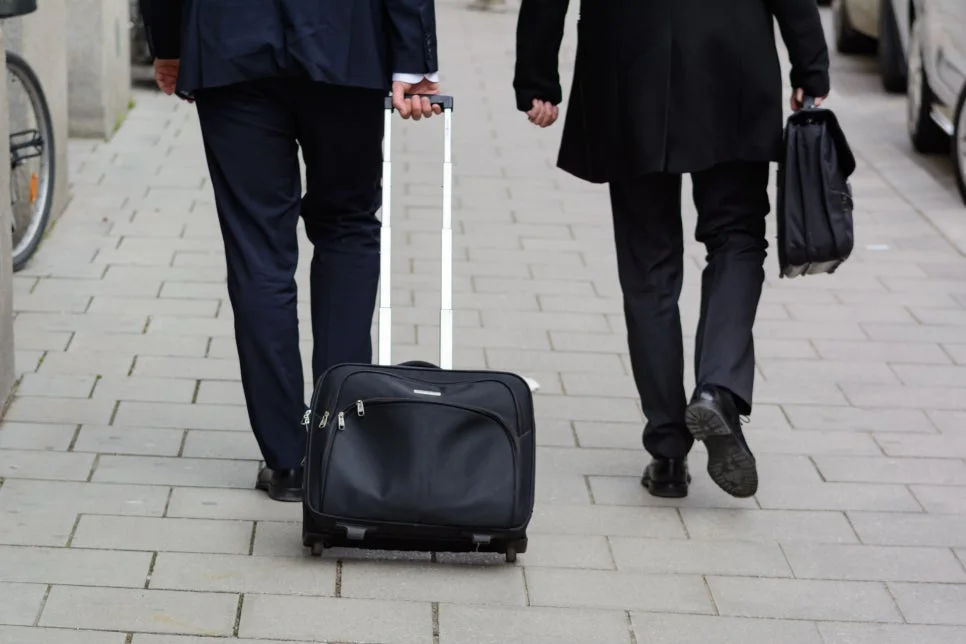
Calls may be impossible during an interview, inspection, or other focused fieldwork. A location change that affects the current route and a question that needs research have different response times. The person receiving the inquiry should capture its purpose and desired timing instead of promising an answer for the field worker.

Account for Travel and Wrap-Up After the Visit
Leaving the site at 5:00 p.m. does not make the person available at 5:00. Return travel, a same-day report, and preparation for the next visit may remain. Showing this time helps the team set realistic expectations for a response.
Set the Next Action Before Leaving
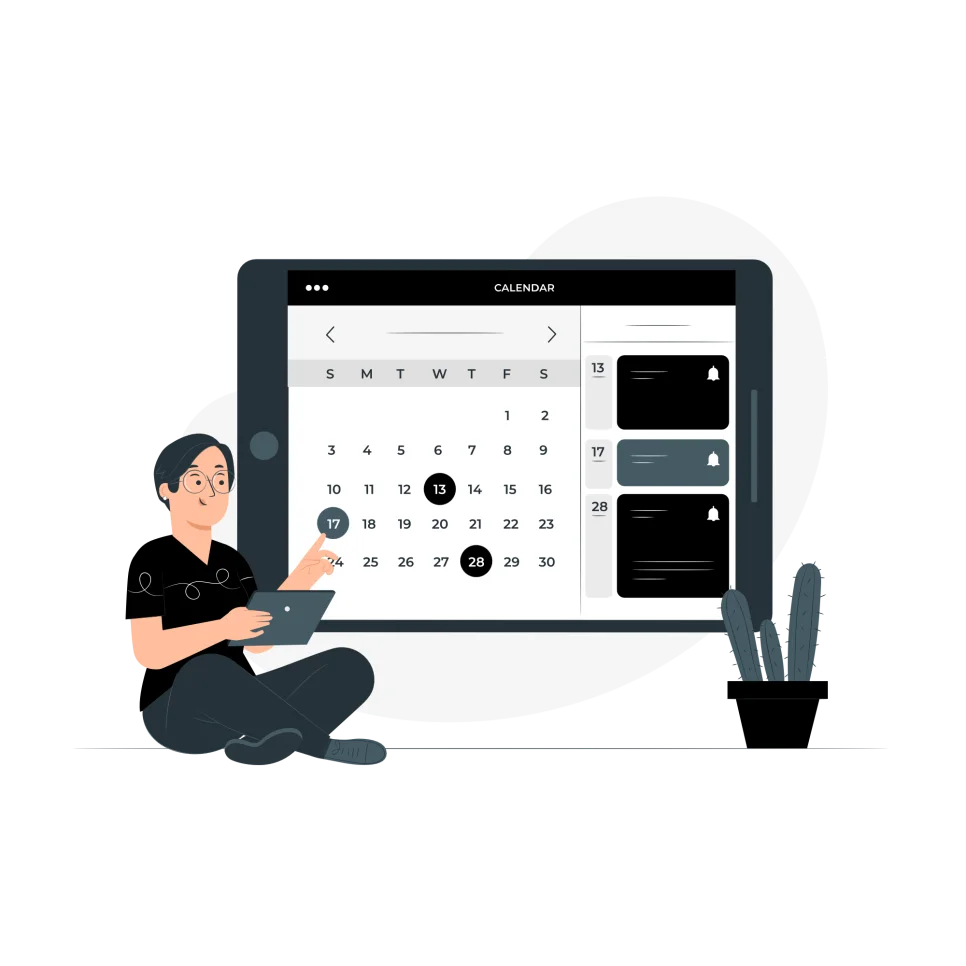
Check whether every planned meeting happened, which visits moved, and when the customer or office will receive an update. If a new request arrives, set a time to respond after reviewing current commitments and ownership rather than promising a deadline immediately.
A calendar does not need every sensitive conversation or document. Keep the location, time, assignee, and next action needed to run the schedule, and use the organization’s approved channel for sensitive information.
Managing Trips and Follow-Up Work in ILJI
Add the visit location and assignee to a field schedule, then review travel and the next visit in the team calendar. Update changed appointments from the phone and create a dated, assigned schedule for any callback or follow-up.
A field schedule is more than today’s destinations. Check who needs an answer next, when it is due, and whether the time actually exists.