A nearly full weekly calendar is not necessarily an executable plan.
If a schedule lists only visit start times and omits travel and preparation, one delay can disrupt every customer after it. A weekly visit schedule should show a plan the team can actually carry out.

Complete One Visit Before Filling the Week
- Assignee and customer
- Visit location and expected start and finish
- The outcome expected from this visit
- Materials and on-site checks
- Where to capture the result and who owns the next action
Add realistic travel time between visits. If a 10:00 visit ends at 11:00 and the next appointment starts at 11:10, the calendar shows a gap even though there may be no practical buffer.
Weekly and Daily Views Answer Different Questions
The weekly view helps compare workloads, gaps, and the distribution of difficult visits. During the day, sequence and the status of the previous appointment matter more. The same schedules support allocation at the weekly level and execution at the daily level.
Do Not Drop New Work Into the First Empty Slot
Check the assignee’s location that day, the expected duration of the previous visit, and the preparation required for the new one. If two people must attend, review the team schedule and both people’s real availability.
Let the Weekly Plan Change During the Week
Customer changes and longer jobs can make Thursday’s plan different from Monday’s. Briefly review the first visit, tight travel gaps, and unassigned work each morning. After a visit, add its result and next action to the schedule.
Review Three Things at the End of the Week
- Visits that were actually completed
- Reasons for delays or cancellations
- Information field workers repeatedly had to ask for
Improve the detailed address when directions were unclear, or add preparation checks when supplies were repeatedly missing. It is easier to sustain a process that adds fields from real weekly problems than one that demands everything from the start.
Compare the Internal Plan With the Customer’s Time
If the internal schedule says travel begins at 1:00 p.m. while the customer expects arrival at 1:00, the promise is already misaligned. Distinguish arrival from work start, and assign one lead to confirm the final time when several teammates attend.
Close Each Visit With Three Lines
Record what was completed, what remains, and who should contact whom next and when. Completion counts alone do not show next week’s priorities; follow-up actions do.
Managing Weekly Visits in ILJI
Create a team calendar and assign each schedule. Review the distribution of visits in the monthly view, choose a date to inspect the daily timeline, and keep the visit result with its schedule.
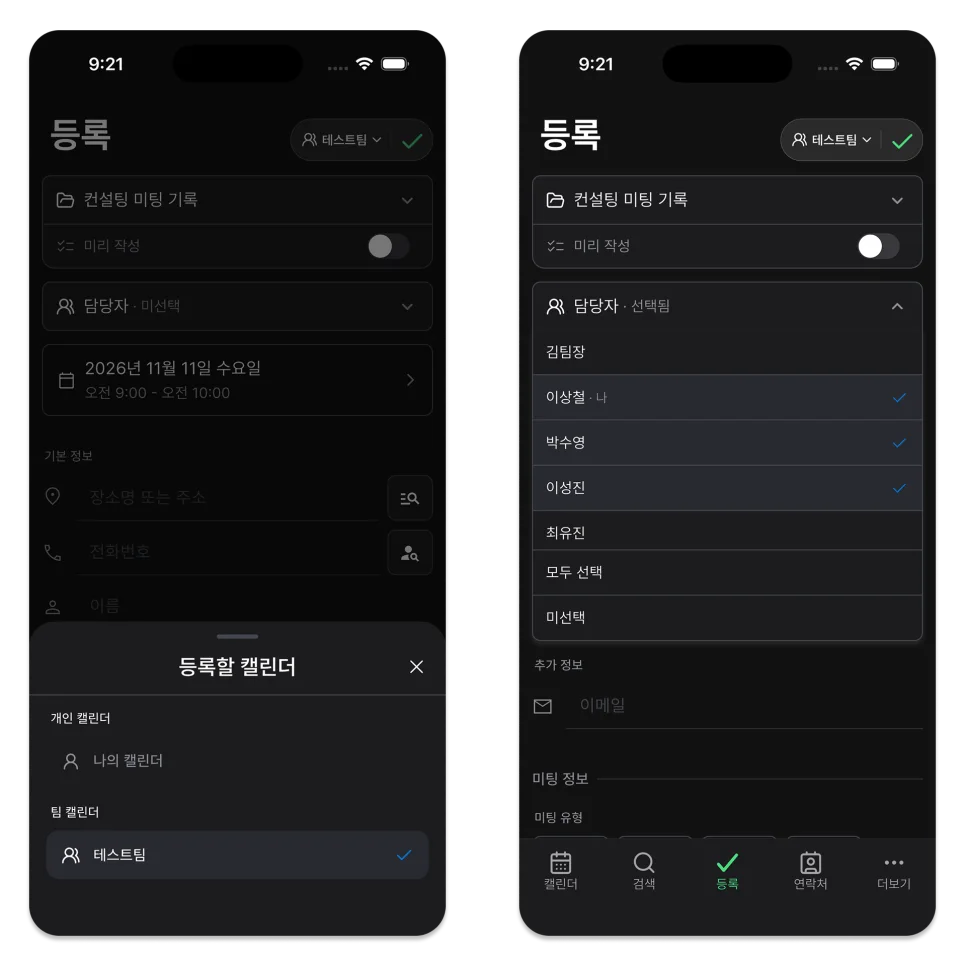
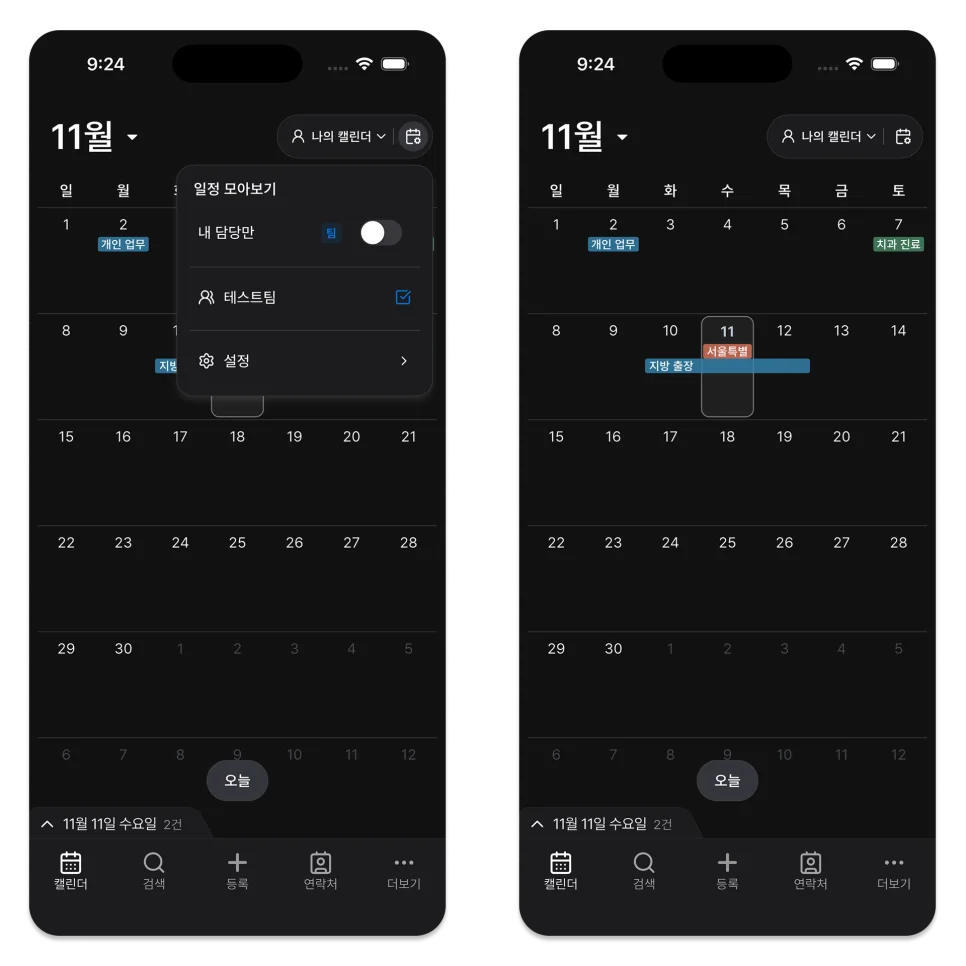
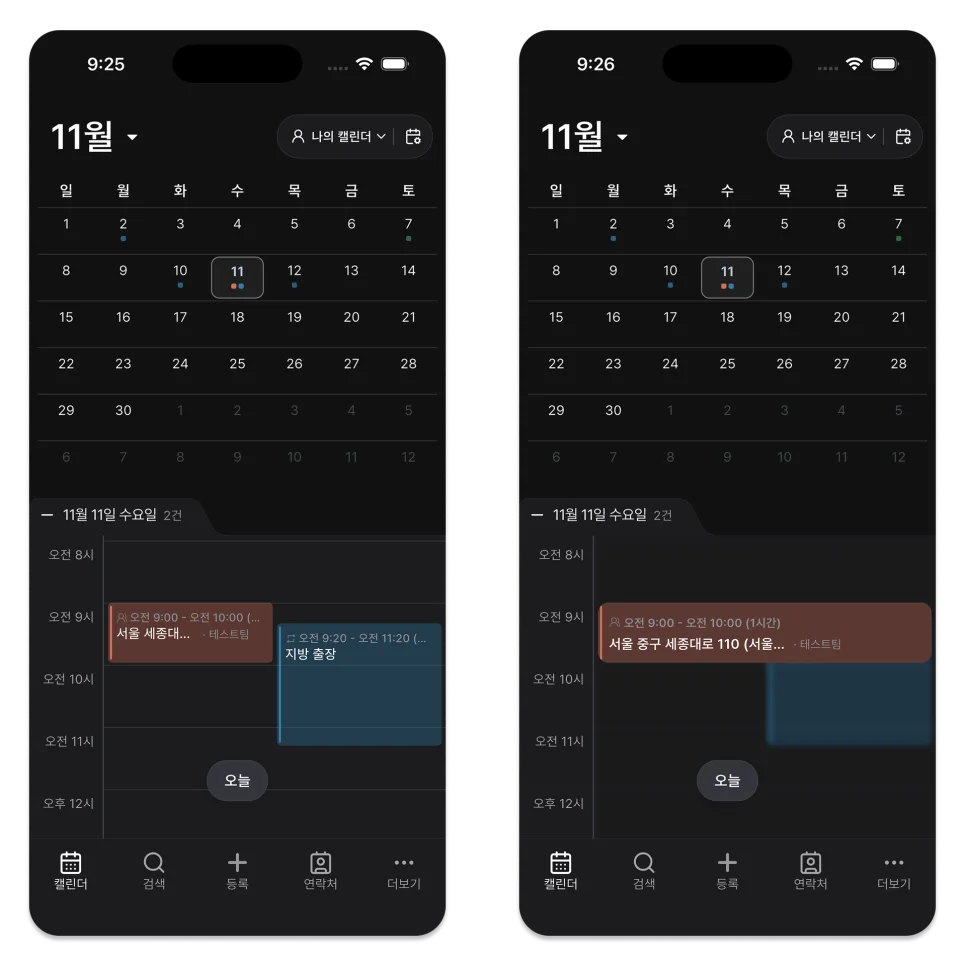
Start with one type of visit and the five essential fields. After one week, the missing information will become visible.