His novels are difficult to predict. His days spent writing them were surprisingly consistent.
A Day That Began at the Same Time
Strange things often happen in Haruki Murakami's novels.
The line between reality and dreams becomes blurred, and an unexpected story begins in ordinary daily life.
However, there were few unexpected events in Haruki's life while writing such a novel.
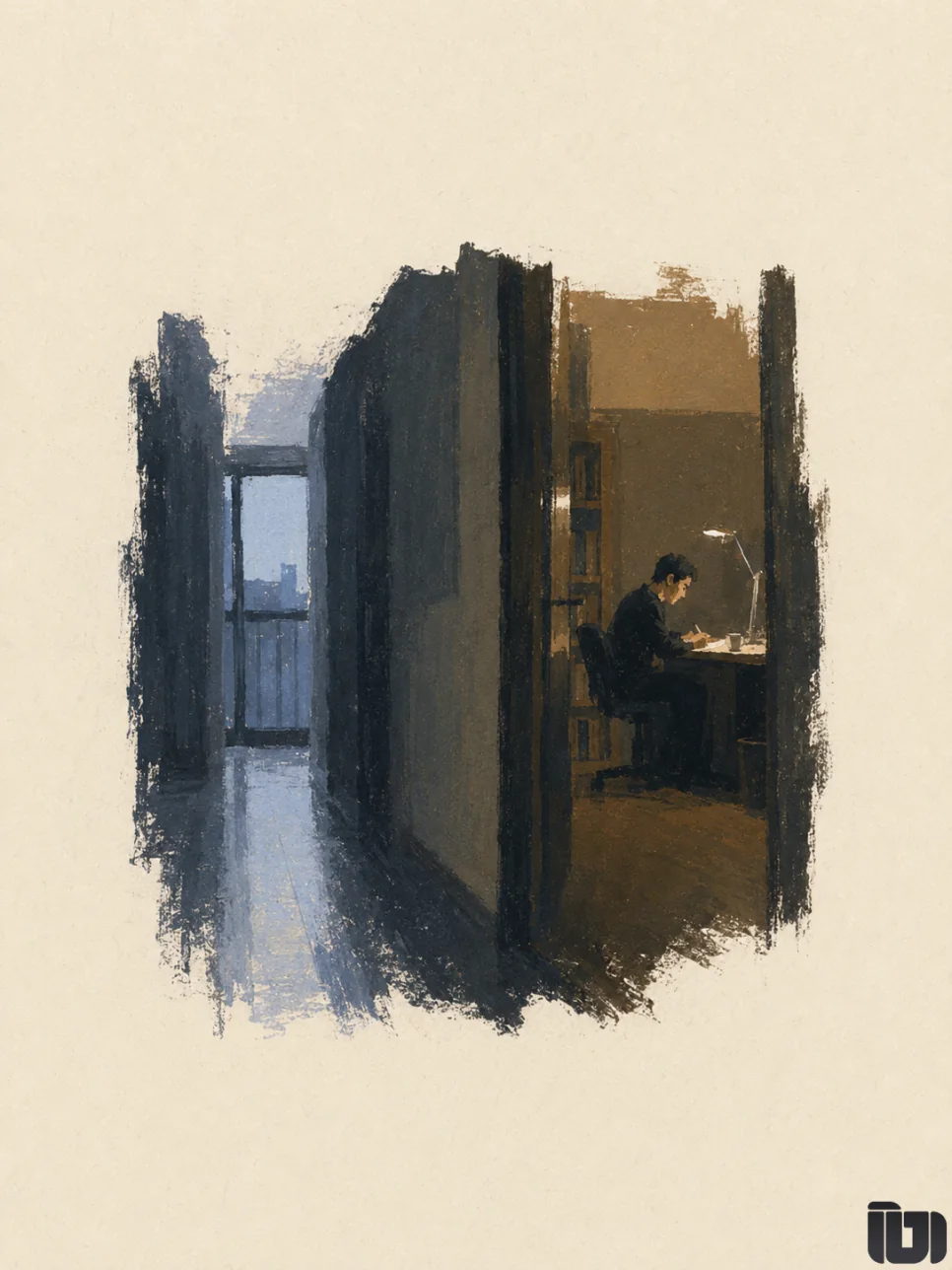
When he started writing his novel, he woke up at 4 a.m.
He sat down and wrote for five or six hours while the surroundings were still quiet.
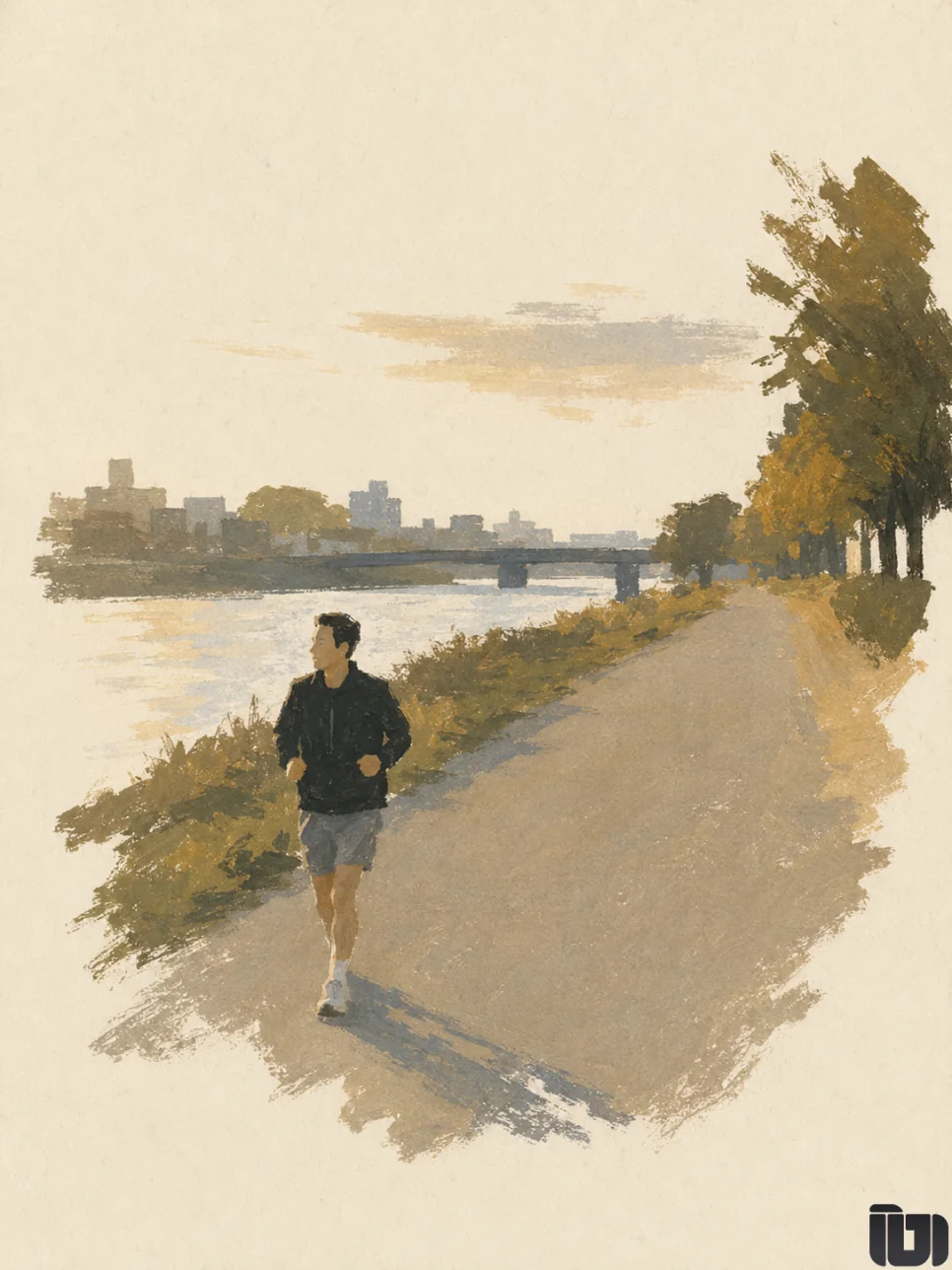
After finishing the day's writing around noon, he ran 10 kilometers or swam 1,500 meters. Sometimes he did both.
Then he read and listened to music.
He went to bed at 9 p.m.
A Writing Rhythm Built Through Repetition
The next day started at 4 am.
He wrote, exercised, spent time with books and music, and went to bed early.
Haruki said that he repeated this schedule every day without changing it while writing a full-length novel.
He did not wait for a new mood each day.
Starting the same task at the same time helped him return to the novel and go deeper.
A novel required months of sustained attention, and some works took years.
Murakami has said that writing for the long term requires physical strength as much as ideas.
Running and swimming gave the day a rhythm that helped him return to the desk the next morning.
Ten Manuscript Pages a Day
Haruki also set standards for the amount of writing he wrote.
While writing a full-length novel, Murakami aimed for about ten pages of Japanese manuscript paper each day.
Even when the writing went well and he wanted to continue, he stopped at that point.
On difficult days, he still worked to reach the same amount.
A Long Novel Built at a Steady Pace
This is because it was difficult to maintain the pace of long work by writing a lot on some days and not writing at all on the next day.
10 pages per day is approximately 300 pages per month.
If you continue at the same pace for six months, you will accumulate about 1,800 sheets.
The first manuscript did not become the finished book unchanged.
After finishing a draft, he took a break, reread it from the beginning, and revised it. After another break, he returned for a second and third pass.
The daily schedule seemed monotonous, but a long story was slowly taking shape within it.
The 10 chapters written at dawn met with the 10 chapters of the next day, and the accumulated manuscript became a long novel.
When starting something big, it's easy to let your mind get ahead of you.
You spend a lot of time on the first day, but if you have other schedules a few days later, the initial pace can quickly slow down.
The time and amount of time each person can restart varies.
Haruki set 4 a.m. and 10 pages of manuscript as the spot he would return to every day.
Even tasks that cannot be completed in one go can be moved forward little by little by repeatedly making room for them in the schedule.
Small progress today becomes a sign that you can start again from the same spot tomorrow.
If you are working on something for the long term, try deciding when you will begin again tomorrow.
ILJI TIME STORIES · 06