A field repair may reveal which parts or extra work are needed only after the first inspection. The inspection and a temporary measure can be finished while the repair itself still needs another visit.
Without a useful first-visit entry, the next worker may repeat checks or arrive without the necessary preparation.

Keep what was confirmed, what remains, and what needs to be ready before the next visit together.
Start With What Was Actually Observed
Distinguish the symptom you observed, the action you tried, and why the work could not be finished.
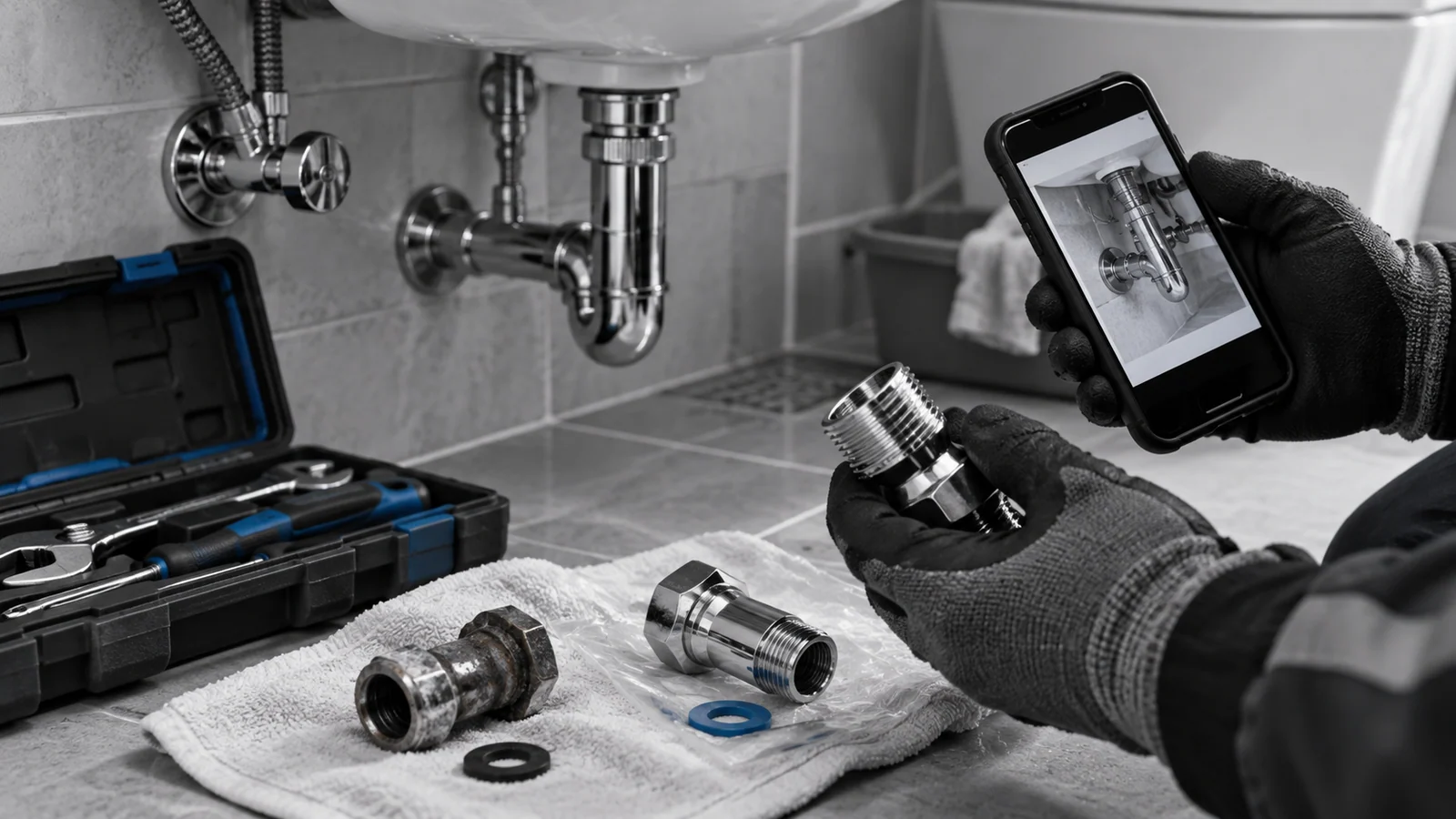
“Power is normal; replacement part needs confirmation” gives the next worker more to use than “not repaired.” Identify what each photo shows and when it was taken.
Define What Must Be Ready for the Return Visit
The next date does not always come first. If work depends on a part arriving, check that first; if the customer’s availability is unknown, assign someone to confirm it. Do not present a tentative time as an agreed appointment.
Once the return visit is confirmed, summarize the first visit’s findings, the parts to bring, and the checks to make in the new event so a different worker need not restart the same conversation.
Explain the Current Situation to the Customer
Separate what was handled today from what remains. If the next visit is not booked, record when you promised to contact the customer again. This article covers keeping work status clear, not repair methods or technical procedures.
Separate a Completed Visit From a Completed Repair
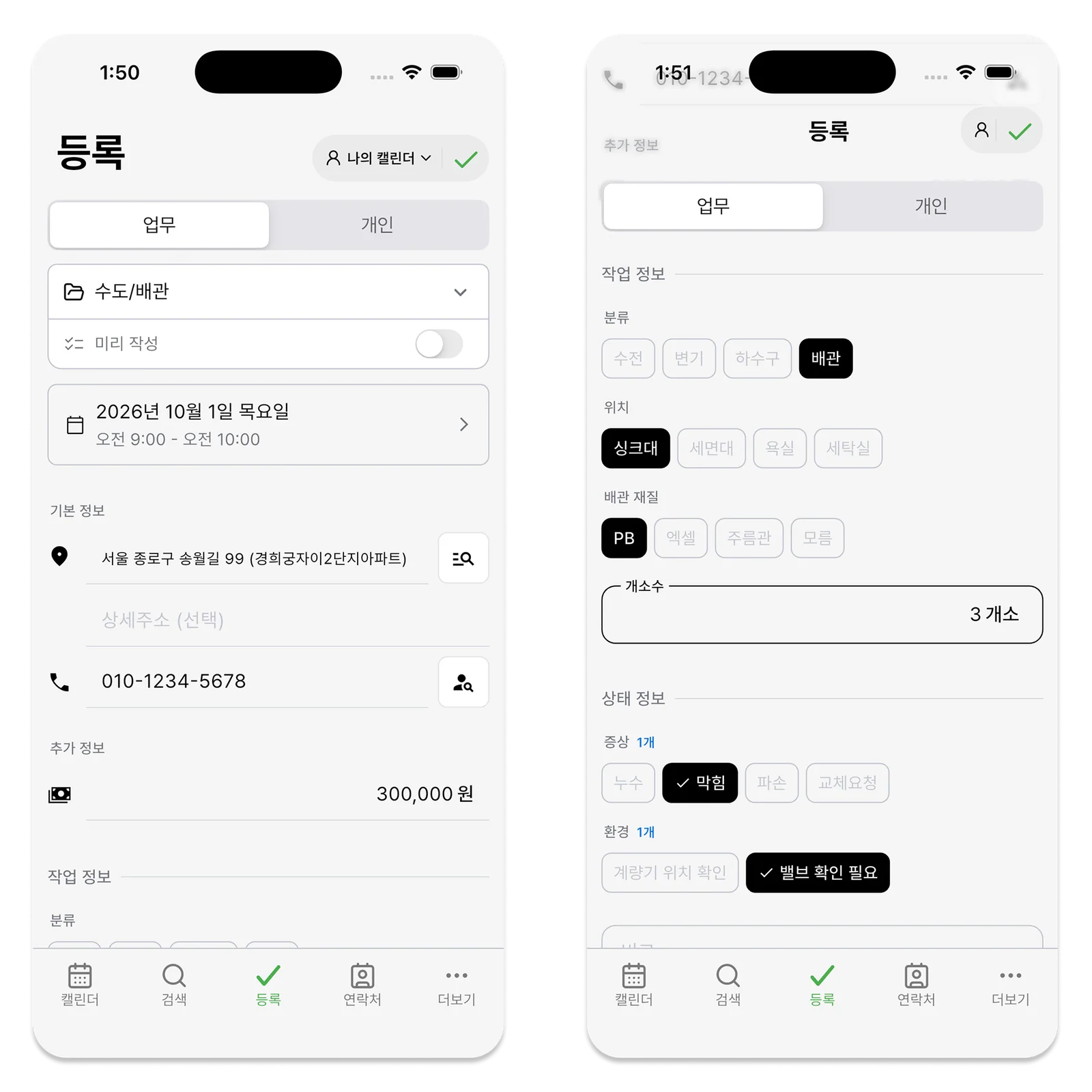
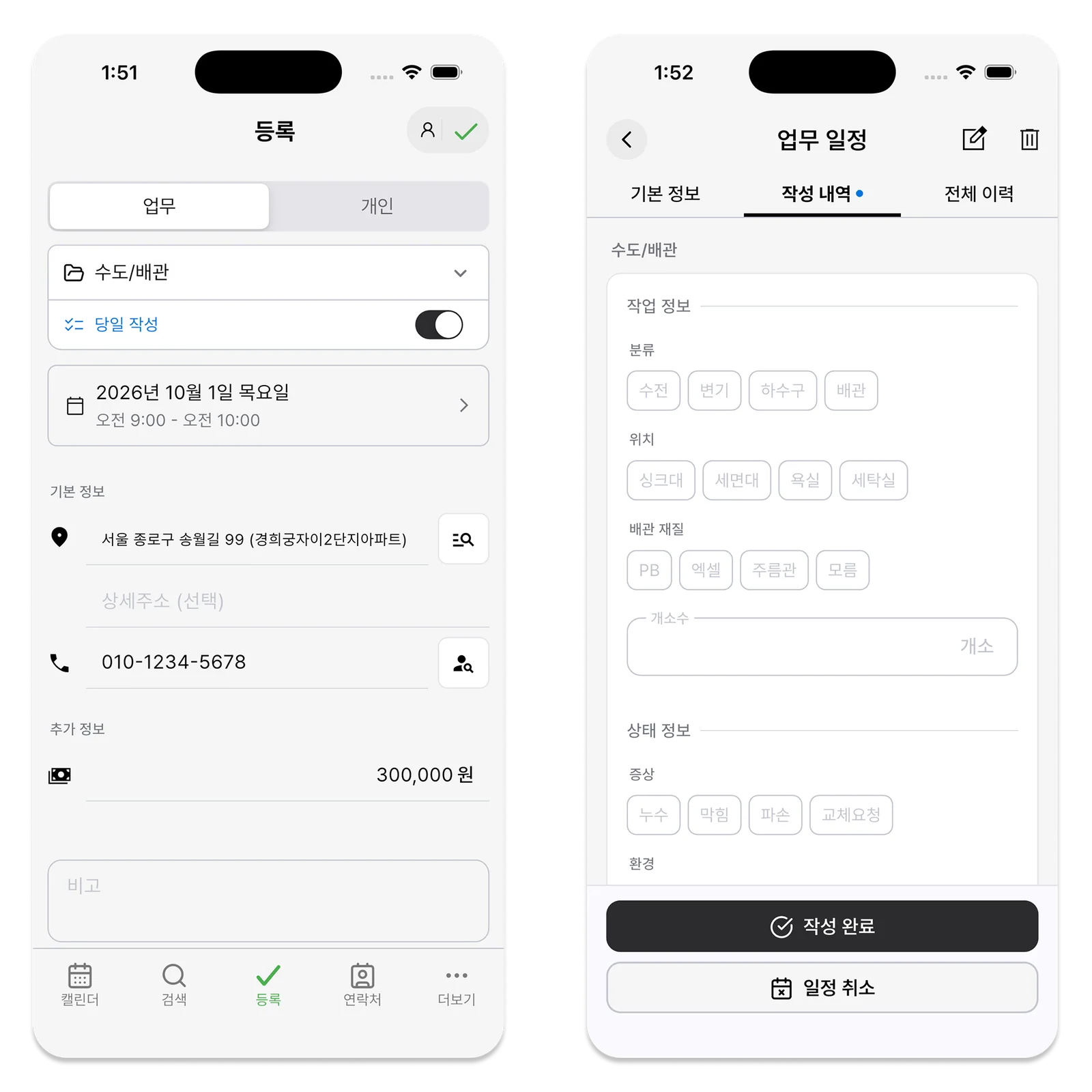
A finished visit does not necessarily mean a finished repair. If Monday covers diagnosis and temporary work and Friday is for a replacement, keep Monday’s result while making the remaining work clear. Separate confirmed findings, temporary measures, and unfinished items.
Also distinguish the customer’s account from direct observation: “Customer reports noise in the afternoon; not reproduced during the visit” avoids suggesting the problem was observed. Mark suspected causes as unconfirmed, and note photo locations and times for later comparison.
Give Parts Waiting Its Own Next Action
A visit without a confirmed date should not become abandoned work. Decide who will check the part, on what date, and when the customer will hear back. “We’ll check availability and update you by Wednesday” is more concrete than “We’ll call when it arrives.”
Once the part is available, check the customer’s time, the assignee’s schedule, and the work’s full duration. A short first inspection does not make the replacement visit short: allow for testing and explanation too.
Decide What the Next Worker Must Read Before Leaving
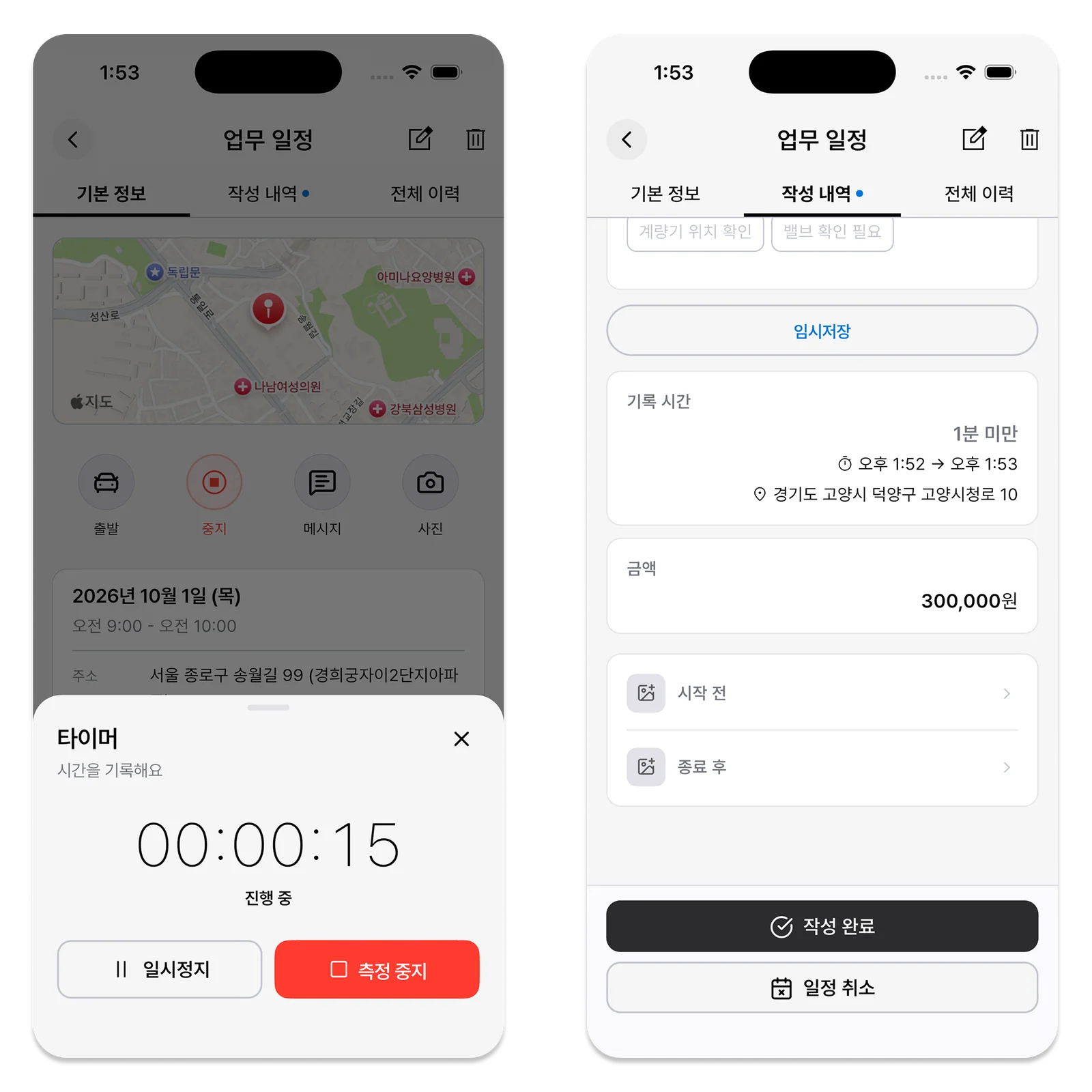
An address and time are not enough for a handoff. Pass on symptoms, attempted actions, parts, the next check sequence, and customer promises. Resolve unanswered questions before departure.
If access or permitted working hours blocked the first visit, settle those conditions before choosing another date—for example, confirm when building management can attend. A return visit should be ready to finish the work, not merely occupy an empty slot.
Record What Was Finished on the Last Visit
After replacement, note whether operation was checked, the customer received an explanation, and further inspection is needed. Leave unchecked items explicit instead of hiding them under “complete.”
If return visits keep recurring, review the reasons: missing stock, insufficient first-visit information, and changed scope need different improvements. Look for what information the first visit should collect rather than merely trying to reduce visit counts.
Tell the Customer When the Return Visit Can No Longer Happen
A delayed part or unavailable worker calls for a customer update, not just an internal calendar edit. Explain what must be ready and when you will check again rather than promising an uncertain date.
Confirm alternatives against the team’s availability and required work time. If a third visit is needed, review what each visit added. Repeating the same findings may mean the next visit needs a different diagnosis or another person, not just another date.
If the price or scope explained on the first visit changes, explain the new findings and keep an entry of the change. A replacement assignee needs to know what the customer was already told.
Keeping Each Visit’s Details in ILJI
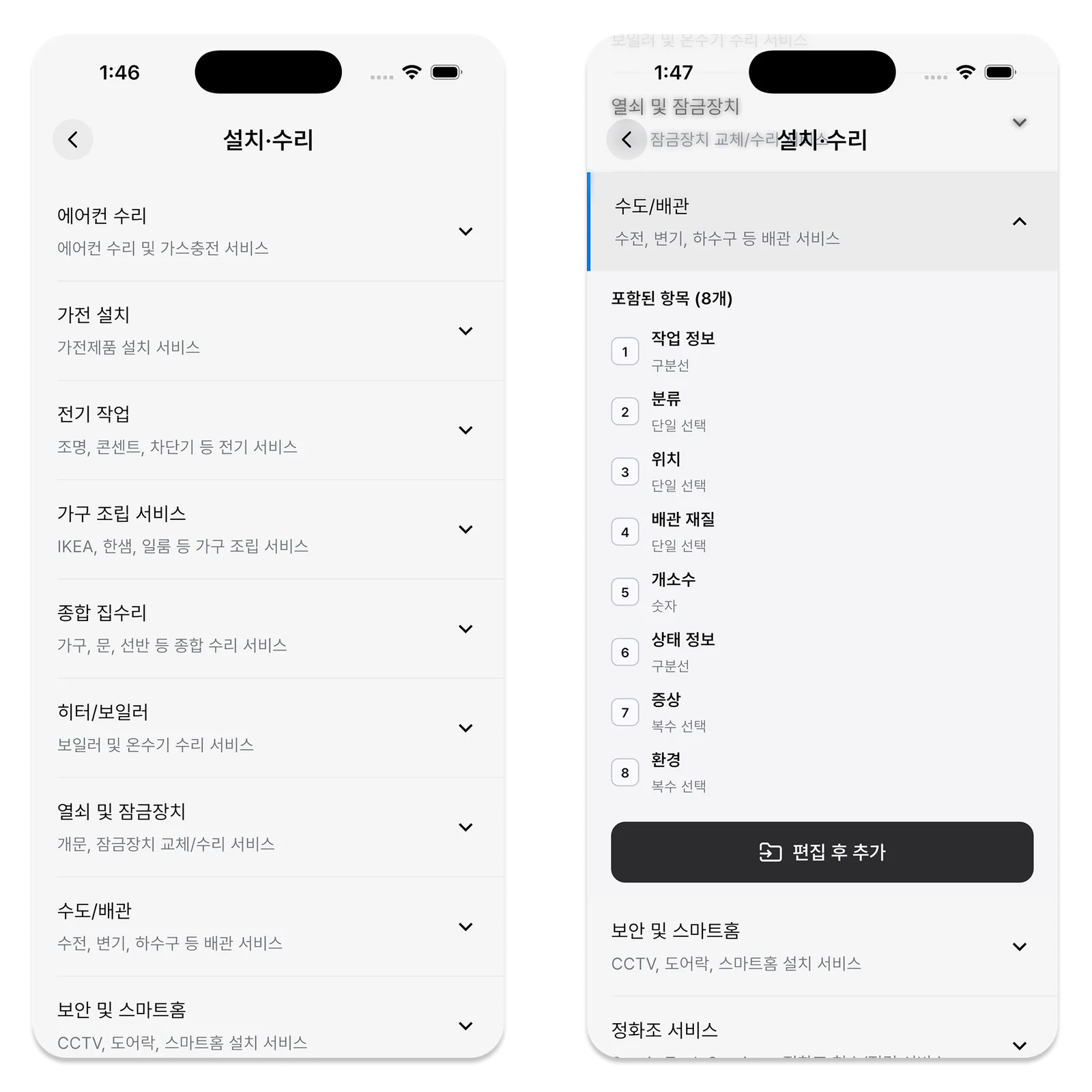
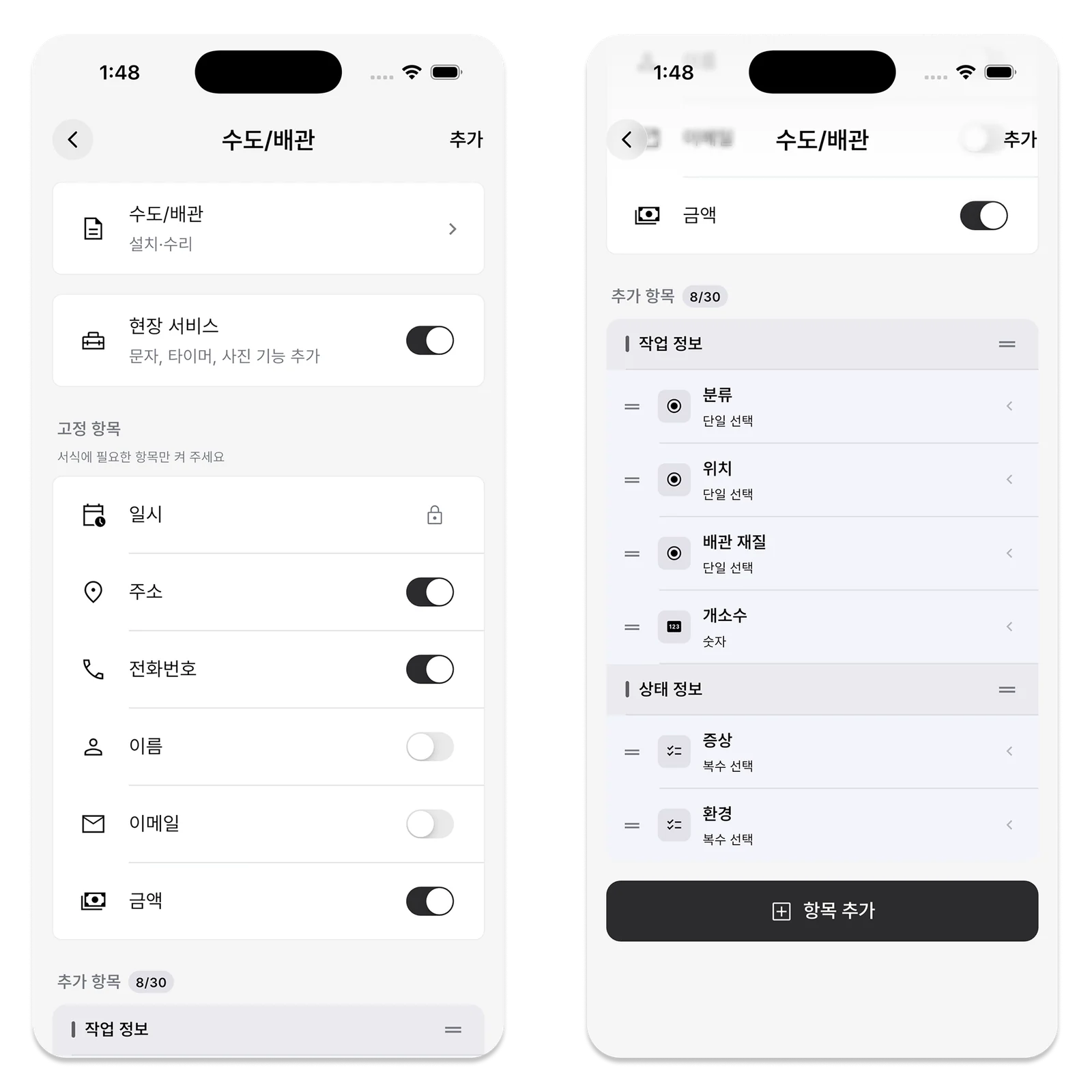
ILJI lets you keep descriptions and work entries with each visit. Forms with Field Service enabled support before-and-after photos, and contacts can show a preview of three linked events.
Full contact history is available with Plus or Team. Create a separate calendar event for the return visit. When work spans several days, keep the next action clear after every visit.